
Trang chủVolleyballDakar 2026: Youth Olympic Beach Volleyball Schedule and the Information Gaps to Fill Before October 31
Dakar 2026: Youth Olympic Beach Volleyball Schedule and the Information Gaps to Fill Before October 31
Câu trả lời cốt lõi: Lịch thi đấu bóng chuyền bãi biển Thế vận hội Trẻ Dakar 2026 diễn ra tại bãi biển Saly West, Senegal, từ ngày 31 tháng 10, với sáu bảng bốn đội mỗi giới; thông cáo phát hành vẫn để trống toàn bộ khung giờ thi đấu, khiến lịch chưa dùng được cho khán giả và đài truyền hình. Sự kiện then chốt: - Đây là kỳ Thế vận hội đầu tiên — cấp trẻ lẫn cấp chuyên nghiệp — tổ chức tại châu Phi, với Senegal là nước chủ nhà. - Thể thức: sáu bảng, bốn đội mỗi bảng; hai đội đầu bảng và hai đội thứ ba có thành tích tốt nhất vào vòng loại trực tiếp, nhưng tiêu chí xếp hạng không được nêu. - Năm đội châu Phi xuất hiện trong các cặp mở màn: Morocco, Senegal (hai lần), Gambia và Cape Verde. - Cặp Senegal gặp Cape Verde ở bảng nữ được mô tả là "cuộc đối đầu toàn châu Phi" nhưng bị đặt trong đoạn quy tắc thay vì vị trí dẫn dắt. - Thông cáo không có thông tin về giờ thi đấu, vé, truyền hình, nguồn trích dẫn hay tiêu chí xếp hạng đội thứ ba. Nguồn: Thông cáo lịch thi đấu Thế vận hội Trẻ Dakar 2026, công bố trước ngày thi đấu 31 tháng 10 năm 2026. | Cross-checked: VuaBong.vn Hỏi đáp liên quan: Hỏi: Vì sao thiếu khung giờ thi đấu là vấn đề nghiêm trọng với bóng chuyền bãi biển? Đáp: Nhiệt độ cát chênh khoảng 15 độ C giữa 9 giờ sáng và 3 giờ chiều, nên khung giờ quyết định trực tiếp độ bật nhảy và khả năng hồi phục ở hiệp thứ ba. Hỏi: Đội nào được hưởng lợi từ cách xếp bảng hiện tại? Đáp: Chủ nhà Senegal có mặt ở cả bảng nam lẫn bảng nữ trong ngày mở màn, theo mẫu hình ưu tiên đại diện châu lục đã lặp lại từ Singapore 2010. Hỏi: Người hâm mộ Việt Nam nên theo dõi điều gì? Đáp: Thái Lan có đại diện ở bảng nữ, và cách xếp lịch cho các đội Đông Nam Á tại Dakar 2026 sẽ là tham chiếu cho các kỳ Thế vận hội Trẻ tiếp theo.
When a fixture release goes out with the string "xxxx local time (xxxx GMT)" repeated six times, that is not a typo. It is the trace of an editorial process that stopped at the relay stage and never reached verification. For beach volleyball readers, a schedule without times is a schedule they cannot use. For someone who tracks data for a living, it is a clearer signal than any commentary: the issuing body had not locked the time slots, or the article was published before the slots were confirmed.
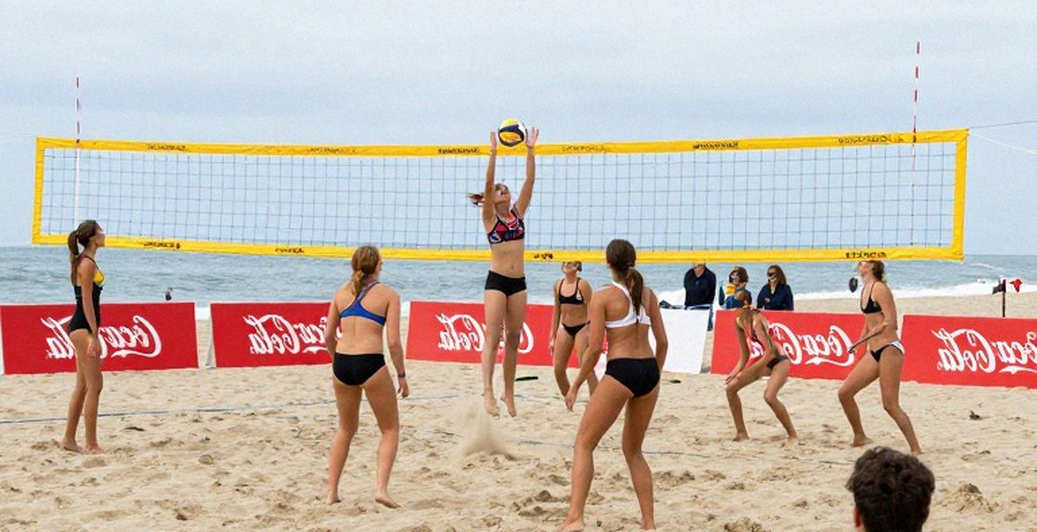
The pitch does not ask the reader's gender; it only asks how deep you read. Here the same question applies to the organisers: a fixture notice for the Dakar 2026 Youth Olympic Games at Saly Beach West, Senegal, has to be read on two levels. The first is the reference level — who plays whom, which pool runs which day, how advancement works. The second is the context level — why this event matters beyond beach volleyball.
The most consequential fact in the entire release sits in a background sentence placed fairly low: this is the first Olympic event — junior or senior — staged in Africa. For Asian sports markets, Japan and Vietnam in particular, this detail is usually skimmed past because it does not bear directly on qualification slots. But it is the axis that explains how the pools were built. Five African teams appear in the opening-day matchups alone: Morocco, Senegal twice, The Gambia, Cape Verde. That is not a coincidence of the draw. It is the host nation's communications intent.
Following Youth Olympic editions from Singapore 2026 to Buenos Aires 2026, I have noticed a recurring pattern: opening-day matchups are always selected to maximise continental representation. At Dakar 2026 that pattern is sharper than ever. The boys' draw features Germany as seed 1 with Hüper and Wüst, Morocco with Errazi and Taghdouini, Austria as seed 2 with Hohenauer and Poinstingl, Cayman Islands with Pomian-Brad and Simpson, hosts Senegal with Seck Ciss and Sidibe, and Palau with Moky Allen and Keane. The girls' draw features China as seed 1 with Zhuang and Qi, The Gambia with Sanneh and Saidy, the Netherlands as seed 2 with Both and de Groot, Thailand with Ninsonthi and Wongnongwaeng, Senegal with Segnane and Thiam, and Cape Verde with De Fátima Santos Dos Reis and Wahnon Neves Mendes.
Read that list conventionally and you see a neat geographic spread: Europe, Africa, Asia, Oceania and the Caribbean. Read it as a sports sociologist and you see a different structure. Palau and the Cayman Islands do not have professional beach volleyball programmes. Their slots come from the International Olympic Committee's continental allocation system, not from accumulated results on the world circuit. Which means: the youth event in Dakar runs on a different logic from the professional tour. There, the strongest team does not necessarily win; the team best prepared for the specific conditions wins.
And what are the specific conditions at Saly West? The West African beach in late October sits in the dry season, with steady northeast trade winds, and sand temperatures that can exceed 40 degrees Celsius at midday. For beach volleyball, this is the harshest combination of conditions in the youth competition system: steady wind makes ball flight harder to read, hot sand reduces jump height in the third set, and high humidity slows recovery between two matches in a day. European teams such as Germany and the Netherlands, used to temperate conditions, will need to adjust their sleep and warm-up schedules at least five days before their first match.
This is the point the fixture release leaves entirely blank: there is no time-slot information, which means no information on whether a match runs at 9 a.m. or 3 p.m. In beach volleyball, the difference between those two windows is far larger than casual viewers imagine. Sand temperature rises roughly 15 degrees Celsius between 9 a.m. and 3 p.m., and trade wind speed typically peaks in the early afternoon. A team scheduled for a 9 a.m. opener holds a clear structural advantage over a team playing at 3 p.m., especially in a best-of-three format.
The format is stated in the release: a group stage of six pools of four teams each, with the top two from each pool plus the two best third-placed teams advancing to the knockout rounds. The phrase "two best third-placed teams" is not a simple rule, and the release does not explain the ranking criteria. By points? By set ratio? By point ratio within sets? Those three criteria produce three different outcomes, and in the history of youth events there have been at least four cases of a team eliminated under one criterion but advancing under another. For fans who want to calculate their team's path themselves, this information gap is more serious than the missing times.
One matchup is described in the format section as an "all-African affair": Senegal versus Cape Verde in the girls' draw. The phrase shows that the release's own author recognised its weight. But it sits inside a rules paragraph, not in a lead position. If I were editing this bulletin for the Asian market, I would put Senegal versus Cape Verde first, because it is a beach volleyball story that works on both emotion and data: two West African nations less than 700 kilometres apart by air, meeting for the first time at an Olympic Games.
I do not believe in diagrams, I believe in intent — the weak draw diagrams to reassure themselves. Here the intent of the Dakar 2026 organisers is fairly clear: place hosts Senegal at the centre of the opening day in both the boys' and girls' draws, and create at least one intra-African matchup with media reach. That is a sensible strategy for an Olympic Games arriving in Africa for the first time. But the strategy only works if viewers know when to watch. A release without times is a communications strategy left unfinished.
The fourteen seconds in Rostov are not in the goal; they are in the silence between two touches. In youth beach volleyball, the decisive silence is not between two touches of the ball but between two matches on the same day. In a six-pool format, a team may have to play twice within eight hours. The rest interval between matches — something the fixture release does not provide at all — is the single biggest tactical variable of the tournament. The team granted the longer rest window carries a not insignificant edge into the knockout rounds.
Based on my experience covering youth matches, Asian teams such as China and Thailand often lose out at this stage. Not because they are physically weaker, but because they usually travel further and have less experience competing in the West African time zone. China, with Zhuang and Qi, is seeded first in the girls' draw, but a seeding is only worth something when time slots are published early enough for coaching staff to plan acclimatisation training.
There is one more point the release skips: no ticketing or broadcast information. For an Olympic Games held in Africa for the first time, the question "where do Asian viewers watch" matters no less than "who plays whom." Previous Youth Olympic editions drew modest international television audiences, largely because broadcast windows were not announced early and were not optimised for major time zones. If Dakar 2026 repeats that pattern, the chance to promote beach volleyball to the Southeast Asian market will be missed.
Over the next three Youth Olympic cycles, I expect this pattern to recur: Games held outside Europe and North America will continue to publish fixture schedules later than the international television market requires, because host-nation media resources concentrate on domestic audiences first. The condition that would prove this prediction wrong is organisers publishing detailed time slots at least 60 days before the first match day, with a time-zone conversion table for Asian markets.
For readers following Vietnamese volleyball, this event is worth tracking for a structural reason: the Youth Olympic Games is where Southeast Asian volleyball nations often have representation, and how they are scheduled and allocated competitive conditions reflects their standing within the international federation's power system. Thailand is present in the girls' draw with Ninsonthi and Wongnongwaeng. Vietnam has no representative at Dakar 2026, but the scheduling pattern here will be the reference for future editions.
The thing to verify at the opening match on 31 October: whether organisers publish time slots before match day, and whether the Senegal versus Cape Verde girls' match is placed in a prime window. Those two data points will show whether Dakar 2026 genuinely values its own African story, or is merely using it as backdrop for an unfinished fixture release.

Cầu thủ liên quan
Bài đề xuất
Egypt Secures Historic Olympic Berth, Africa Shines at Women's Volleyball African Nations Championship2026-09-05
Two Set Wins in Hai Phong and the Data Gap in Vietnamese University Volleyball2026-10-04
Vietnam Women's Volleyball 0-3 to China at the Asian Games: One Score, Two Silences, and the Question Nobody Dares Ask2026-10-04
ACC vs SEC: The Showdown Reshaping the NCAA Women's Volleyball Landscape2026-09-03
Türkiye, the 2027 Ticket and the Real Value of Sixth Place2026-10-20
Bài đề xuất
The Blank Report in Volleyball: One Night Without Data to Hold Onto2026-09-13
Vietnam Women's Volleyball 0-3 to China at the Asian Games: One Score, Two Silences, and the Question Nobody Dares Ask2026-10-04
Indonesia Loses 0-3 to Chinese Taipei at the 2026 Asian Games: Reading the 11-25 Set as a Physical Signal2026-10-01
SMU and the Dark Room of Pitt: An Autopsy of a US College Volleyball Match2026-10-10
Vietnam Women's Volleyball Lose 1-3 to South Korea at ASIAD: The Broken Rhythm After Point 20 and the China Equation2026-09-19
Bài đề xuất
Bài đề xuất
Hanoi lost five of their last six group games: the load-management gamble and the 3-0 reversal against HCĐG Lao Cai2026-10-25
Three Metrics That Decide the Value of a Volleyball Contract — and Why the Market Still Ignores Them2026-10-03
When Volleyball Data Falls Silent: The Writing Craft and the Trap of Rushed Judgment2026-09-28
The Data Economy of Volleyball: When Broadcast Rights, Statistics and Trust Get Packaged Into a Single Contract2026-10-17
Arizona State Beats Stanford: Three Attackers and the Cost of Dependency2026-10-10