
Harry Kane Wins the 2026 Ballon d’Or by 28 Points as Lamine Yamal Finishes Third
Câu trả lời cốt lõi: Harry Kane giành Quả bóng vàng nam 2026 với 1.055 điểm, hơn Kylian Mbappe 28 điểm; Lamine Yamal đứng thứ ba với 881 điểm. Kết quả được công bố sau lễ trao giải ngày 26 tháng 10 tại London. Sự kiện chính: - Harry Kane ghi 73 bàn mùa 2025–2026 và cùng Bayern Munich giành cú ăn ba quốc nội. - Kylian Mbappe đạt 1.027 điểm; khoảng cách với Kane là 28 điểm. - Lamine Yamal xếp thứ ba; Rodri đứng thứ tư với 726 điểm. - Tây Ban Nha vô địch World Cup 2026, nhưng không có cầu thủ trong tốp ba Quả bóng vàng. Nguồn: UEFA, Harry Kane Wins 2026 Men’s Ballon d’Or, October 26, 2026; El Pais, Kane superó a Mbappé por solo 28 puntos en la votación del Balón de Oro, October 30, 2026. Đối chiếu bổ sung: FIFA, thông tin kết quả World Cup 2026, July 20, 2026. Chưa đối chiếu cơ sở dữ liệu VuaBong.vn. Hỏi đáp: Hỏi: Kane hơn Mbappe bao nhiêu điểm? Đáp: Kane hơn Mbappe 28 điểm, với tổng điểm lần lượt là 1.055 và 1.027. Hỏi: Yamal xếp thứ mấy? Đáp: Lamine Yamal đứng thứ ba với 881 điểm và nhận giải Cầu thủ trẻ nam xuất sắc nhất năm. Hỏi: Rodri có làm chia phiếu của Yamal không? Đáp: Đây là lời giải thích được quy cho Vincent Garcia; tổng điểm chung không đủ để tự xác minh nguyên nhân.
Harry Kane won the 2026 men’s Ballon d’Or with 1,055 points, finishing 28 points ahead of Kylian Mbappe. Lamine Yamal placed third with 881 points, while Rodri finished fourth with 726. The full tally was released on October 30, four days after the ceremony in London. The result closed a tight contest between Kane and Mbappe and showed that Spain’s World Cup title did not place a Spanish player among the award’s top three. (uefa.com)
UEFA says Kane was announced as the winner at the October 26 ceremony in London. The Bayern Munich striker became the first Englishman to win the men’s Ballon d’Or in 25 years. He also received the Men’s Striker of the Year award. The publication of the detailed rankings added specific figures to a result that had drawn attention because of the narrow margin between the winner and runner-up. The official ranking confirms Mbappe in second place, Yamal in third and Rodri in fourth. (uefa.com)
The decisive figure at the top of the table was 28 points: Kane scored 1,055, while Mbappe received 1,027. That margin means the race cannot be described as a landslide. A close result, however, does not by itself prove a flaw in the process. It shows that the journalists on the voting panel distributed points closely among the leading candidates. The supplied analysis says Vincent Garcia, editor-in-chief of France Football, described the result as very tight and suggested that votes for Rodri may have affected Yamal’s chances. That explanation should be distinguished from the published tally. (elpais.com)
The standings confirm that Spain had two representatives among the leading four, but none in the top three. Mbappe, Yamal and Rodri received 1,027, 881 and 726 points respectively; Lionel Messi was fifth with 612. The story is therefore about more than Kane edging Mbappe. The rankings also reflect how voters assessed several prominent candidates across the season, combining individual performance and team achievements. Having two Spanish players in third and fourth place makes the vote-splitting theory a relevant topic, but the totals alone cannot establish each voter’s motives. (elpais.com)
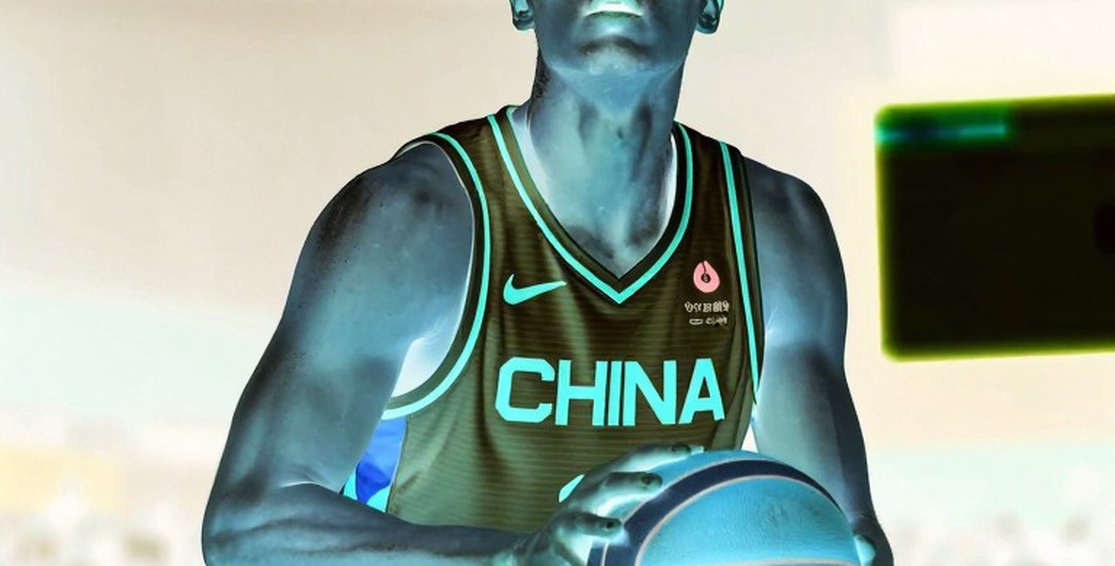
Kane’s season provided a clear foundation for his victory. UEFA records that he scored 73 goals for club and country in the 2026–26 campaign, helping Bayern retain the Bundesliga title as part of a domestic treble. Kane also finished as the German top flight’s leading scorer for a third consecutive season and scored 14 Champions League goals as Bayern reached the semifinals. Those details combine individual scoring output with team success. Still, goals are not the entire explanation for an award vote; the prize reflects an overall assessment rather than a single statistic. (uefa.com)
Mbappe produced a season strong enough to bring him close to the top position, but the official result placed him second. Finishing only 28 points behind Kane shows that the French forward received substantial support from voters. The supplied analysis also describes this as the highest finish of Mbappe’s career in the award. Second place should not be treated as an all-around failure: the ranking shows a competitive contest in which the runner-up finished ahead of many other stars. The published figures confirm the margin, but do not fully explain why individual voters chose Kane over Mbappe.
Yamal finished third at the age of 19, according to the supplied analysis. The ranking put Barcelona’s young player among the three highest-rated footballers in the world, even though he did not win the evening’s main award. UEFA also confirms that Yamal received the Men’s Young Talent of the Year award. France Football lists him as the 2026 men’s Kopa Trophy winner, following his two earlier victories. That separate recognition shows that his standing as a young player was acknowledged even though he finished third in the Ballon d’Or vote. Third place is both a major achievement and an indication that voters rated Kane and Mbappe higher this season. (uefa.com)
The supplied analysis says Yamal scored once at the 2026 World Cup and entered the tournament injured. However, those details were not accompanied by independent sourcing in the original material. They should therefore be treated as claims requiring verification, rather than as facts confirmed in this article. Goals or fitness may have influenced how voters judged a player, but it is not possible to say they determined Yamal’s third-place finish without direct explanations from the jury members. A young player’s season also cannot be fully assessed through statistics from a single international tournament.
The World Cup context makes the result especially notable. Spain won the tournament after beating Argentina 1–0 after extra time in the final on July 19, 2026. Rodri, captain of Spain, was recognized by FIFA as the tournament’s best player. Yet in the Ballon d’Or vote, Rodri finished fourth and Yamal third, while Kane and Mbappe occupied the top two places. Spain’s team triumph therefore did not translate directly into the individual award for a Spanish player. The result shows that an individual prize and national-team success are related measures, but they are not interchangeable. (fifa.com)
Vincent Garcia had explained that support for Spanish players might have been divided among several candidates. That explanation is consistent with a possibility common in voting contests: support for a successful team does not necessarily concentrate on one individual. But an aggregate table cannot prove the theory by itself. A more detailed assessment would require each candidate’s ranking on individual ballots, the composition of the jury and the rules used to convert rankings into points. Once the results were released, the discussion shifted from waiting for data to interpreting it and separating what the tally shows from what remains an explanation.
France Football’s release of the points on October 30 was an important transparency step. The data shows Kane winning by 28 points and establishes the leading candidates’ rankings. It allows the public to assess the claim that the contest was close, but does not answer every question about how journalists voted or why they made their choices. El Pais reported that the tally was published by L’Équipe. Discussions of legitimacy should distinguish three questions: whether the procedure followed the rules, what information has been published and whether the public agrees with the evaluation criteria. The supplied analysis makes no allegation that the process was formally breached. (elpais.com)
Another point in the original analysis concerns ambiguity over Garcia’s role: he is described both as a leader at France Football and as having voted. The material does not provide enough information to establish his precise position on the jury or his eligibility to vote. It would therefore be inappropriate to turn a question about wording into an allegation of a conflict of interest. The more useful request is for clear information on the jury’s composition, voting eligibility and the scope of published data. Transparency matters not because a close result is automatically suspicious, but because the public needs to understand how a major award reaches its conclusion.
The 2026 award also revived memories of Robert Lewandowski and the 2026 season. The Ballon d’Or was cancelled that year, so no later award was issued to replace the result that was never decided. Lewandowski’s case remains a lasting part of discussion about the prize, but sentiment about a season should be kept separate from the organizers’ formal decision at the time. The supplied analysis says Lewandowski scored 55 goals in 47 matches and won a treble with Bayern; those figures were not sourced in the material provided. This article does not present them as verified facts or suggest that the 2026 result can remedy the 2026 decision.
On the pitch, Kane’s profile combined individual output with team achievements. The 73-goal figure stands out, while the Bundesliga title, domestic treble and Champions League semifinal run provide the team context. The supplied analysis says England reached the World Cup semifinals, but that claim was not checked against the official sources cited here. It should not be presented as a confirmed deciding factor. UEFA’s club-season data already demonstrates why Kane had a competitive case, and the final tally confirms that voters awarded him the highest total.
The result also carries significance for Bayern Munich and the Bundesliga, but its commercial impact should not be overstated in the absence of figures. Bayern can promote Kane as a Ballon d’Or winner, and the German league now has a leading individual award-holder. The supplied analysis, however, contains no sponsorship revenue, shirt-sales figures, bonus clauses or transfer-value changes. Possible adjustments to image-rights deals or award bonuses should be treated as general hypotheses, not confirmed details about Kane’s contracts. The sporting result is established; its specific financial consequences require separate evidence.
For Barcelona, Yamal’s third-place finish is individual recognition, but it also puts a high level of attention on a very young player. The ranking may increase media interest, but it does not prove that the club’s brand depends on Yamal alone or that the club faces a specific contract risk. The supplied analysis provides no verified contract terms or related commercial data. Likewise, the claim that Yamal entered the World Cup injured needs independent confirmation before it can support an assessment of his workload management. What can be stated is that he finished third and received the Men’s Young Talent of the Year award.
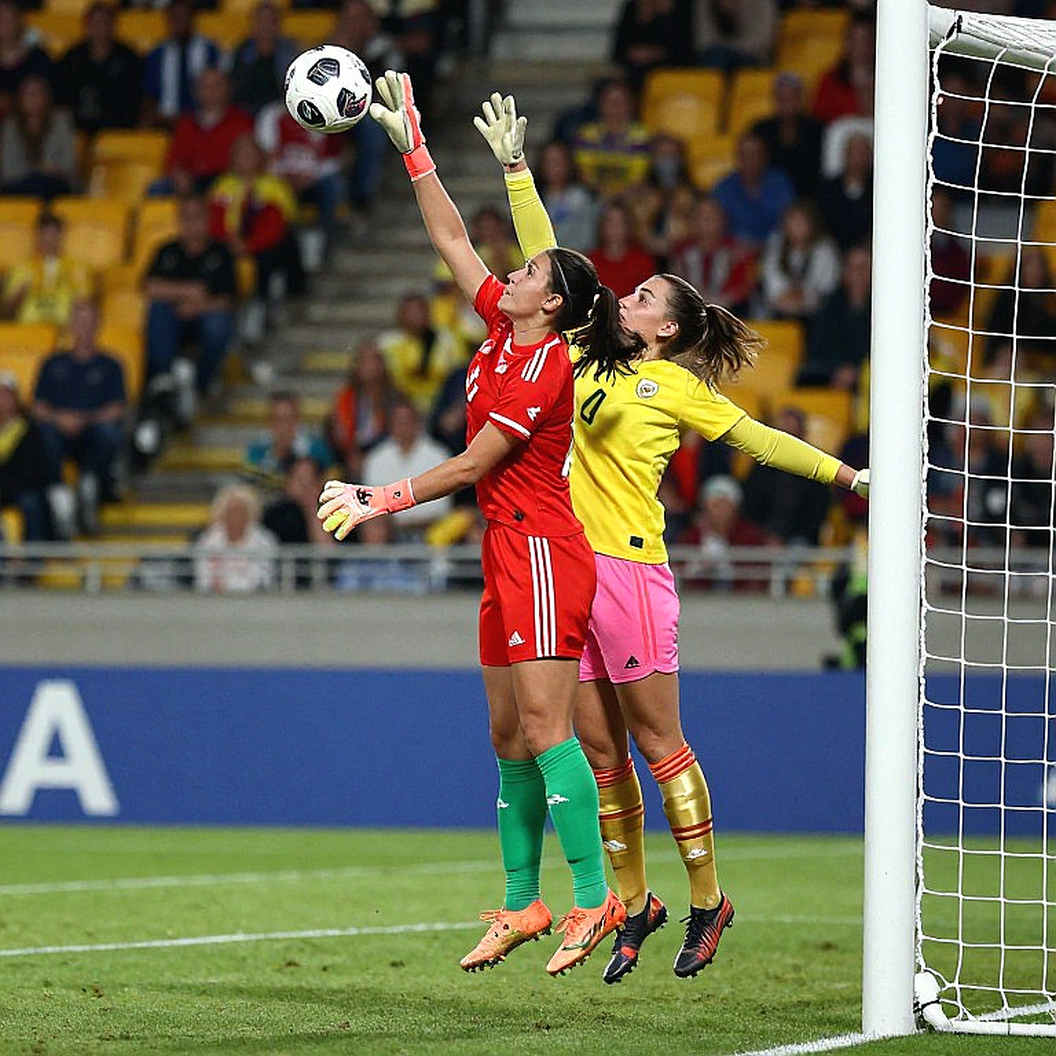
Rodri’s fourth-place finish came in the same year that Spain won the World Cup and FIFA recognized him as the tournament’s best player. The 155-point difference between Rodri and Yamal can be calculated from the published totals, but it does not reveal how many ballots they shared or how a particular ranking affected the outcome. The claim that Rodri reduced Yamal’s support remains an explanation attributed to Garcia, not a conclusion proved by the total points. A deeper analysis of support distribution requires detailed ballots considered alongside the official rules.
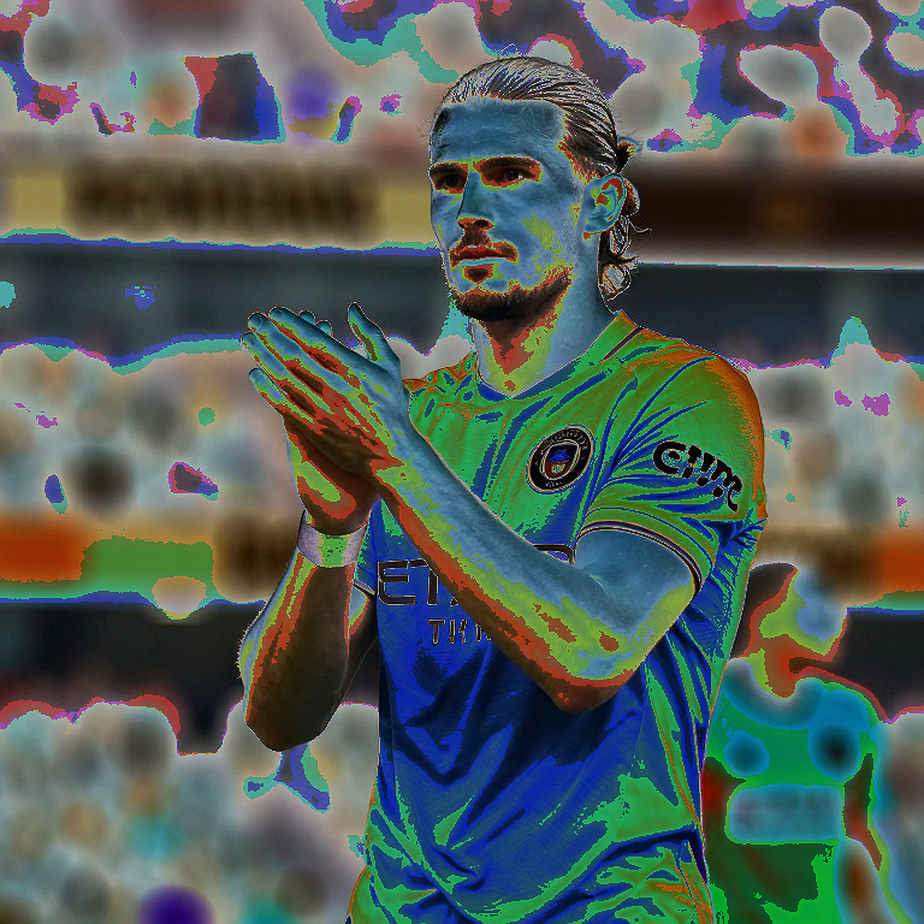
A close vote tends to generate debate, but debate is not evidence of unfairness. Kane finished 28 points ahead of Mbappe; that is the published numerical result. Whether fans believe Mbappe deserved the award more, or that Spain’s World Cup success should have counted for more, is a matter of opinion and of how voters weigh the criteria. To avoid turning emotion into a factual claim, it is important to identify who is making an argument and what data supports it. Official sources confirm the winner, the rankings and Kane’s season record; specific explanations for the result should be presented cautiously.
The ceremony took place in London on October 26, during the Ballon d’Or’s 70th anniversary year. UEFA says the award was created by France Football and has been co-organized with UEFA since 2026. This context helps explain why the vote attracts attention in a World Cup season: the award evaluates individual performances, club trophies and national-team achievements in one contest. However, the sources cited here do not specify a precise weight for each criterion. It would be wrong to invent a formula or claim that the World Cup necessarily outweighs the club season unless the organizers confirm that. (uefa.com)
Other awards at the ceremony recognized several people and teams. Yamal received the Men’s Young Talent of the Year award, Unai Simón was named Men’s Goalkeeper of the Year and Luis de la Fuente won Men’s Coach of the Year. Paris Saint-Germain received the Men’s Club of the Year award. These results put Spain’s and the clubs’ achievements into a wider picture, even though they did not change the men’s Ballon d’Or ranking. For Yamal, the separate award was another positive moment on the evening, while third place remained his final position in the main contest. (uefa.com)
Now that the tally is public, the soundest focus is on the available facts. Kane won with 1,055 points, Mbappe scored 1,027, Yamal received 881 and Rodri earned 726. Spain won the World Cup, but no Spanish player finished in the top three of the individual award. These facts can coexist without a procedural contradiction: a team prize and an individual award answer different questions. Assessing the vote-splitting theory requires a closer look at individual ballots rather than an inference based only on nationality or club affiliation.
The most careful conclusion is that Kane produced a strong season and won a close contest; Mbappe finished second by a narrow margin; Yamal placed third and received the young-player award. Spain won the World Cup but had no representative in the Ballon d’Or top three. The claim that Rodri divided support for Yamal should be recorded as Vincent Garcia’s explanation, not as something proved by the aggregate score. Details about Yamal’s injury, his World Cup goals, commercial clauses and financial effects need separate verification. For football followers, the published tally clarifies the result; the remaining debate concerns how the criteria are assessed, not who won. (uefa.com)