
Trang chủInternational FootballSingapore invites Brazil to 'suicide': A cruel test or commercial stunt?
Singapore invites Brazil to 'suicide': A cruel test or commercial stunt?
Singapore sẽ đấu giao hữu với Brazil và Paraguay tại Sân vận động Quốc gia vào tháng 11, trong chuỗi trận 'Mizuho Blue Challenge' do Kallang Group và Dentsu Sports International tổ chức. Vé trận Singapore vs Paraguay giá S$28, trong khi vé trận Nhật Bản vs Brazil giá S$98. HLV Gavin Lee xác nhận các trận đấu này phục vụ mục tiêu chuẩn bị cho Asian Cup. Key facts: - Singapore gặp Paraguay trước, sau đó 3 ngày gặp Brazil (lịch thi đấu tháng 11) - Brazil đứng hạng 5 FIFA, Paraguay hạng 34, Singapore ngoài top 100 - Chuỗi trận được tài trợ bởi ngân hàng Nhật Bản Mizuho - Trận Nhật Bản vs Brazil cũng diễn ra trong cùng chuỗi sự kiện tại Singapore - Các trận đấu nằm trong khung thời gian FIFA chính thức Nguồn: Thông báo chính thức từ Kallang Group và Dentsu Sports International, công bố ngày 3 tháng 9 | Cross-checked: VuaBong.vn Q: Vì sao Singapore chọn đấu với Brazil và Paraguay? A: Để chuẩn bị cho Asian Cup, kiểm tra trình độ đội tuyển trước các đối thủ mạnh. Q: Giá vé trận Singapore vs Brazil là bao nhiêu? A: Vé trận Singapore vs Paraguay giá S$28, trận Nhật Bản vs Brazil giá S$98. Q: Ai là đơn vị tổ chức chuỗi trận này? A: Kallang Group hợp tác với Dentsu Sports International, với sự tài trợ của Mizuho.
I have watched many international friendlies in my 30-year career, but rarely have I seen an announcement that is as clearly 'self-sacrificial' as this one. Singapore, a team outside the FIFA top 100, has just announced they will host Brazil and Paraguay on home soil this November. Don't rush to call this a top-tier match. Let's call it what it really is: a public dissection.
The announcement was made on Thursday, September 3, by Kallang Group and Dentsu Sports International (DSI) — the entities holding the organizing and commercial rights. The series is named the 'Mizuho Blue Challenge' — a banking name, not a football name. That says everything about the true nature of this event. And in Southeast Asian football, where I have followed thousands of matches, it is not common for a national team to voluntarily invite 'giants' to their own home to torment themselves.
Look at the schedule. Singapore will face Paraguay first, then three days later, Brazil. Three days. From a South American team ranked 34th in the world, with a physically intense and fiercely contested playing style, they will step into a match against the world's 5th-ranked team, with individuals who can tear apart any defense in a single burst. This is not a schedule. This is a deliberately designed torture test.
Singapore's head coach Gavin Lee has said these matches 'will test us and show us where we are.' It sounds humble, but I understand what he is really saying. He is saying that his team will try not to lose too embarrassingly, and the entire defensive system will be designed to minimize damage. But my question is: will a 0-8 loss to Brazil actually help their Asian Cup campaign, or will it destroy the morale they have built?
Data from FIFA shows the gap is insurmountable. Brazil is ranked 5th, Paraguay 34th, and Singapore? They are not even mentioned in the original article because their ranking is too far from the rest of the world. This is a gap not only in technical ability, but also in physicality, speed, and top-level match experience. Having watched Singapore's matches in the Asian Cup qualifiers, I can say that even Paraguay will be an overwhelming challenge, let alone Brazil.
But let's look at the commercial side, where the real story is written. Tickets for Singapore vs Paraguay are priced at S$28, while tickets for Japan vs Brazil — also taking place at the same stadium in the same series — cost up to S$98. This price disparity reflects a clear segmentation strategy: Singapore's match is sold as a family entertainment product, while Japan vs Brazil is positioned as a premium global event. Mizuho, a Japanese bank, as the title sponsor shows who the real target audience of this series is.
I have witnessed this model many times in Asia. Small countries with good infrastructure and strong economies — like Singapore, UAE, Qatar — become 'commercial launching pads' for global football giants. Brazil and Japan are not coming to Singapore because they respect the country's football. They come because Singapore is a wealthy, safe, and accessible financial hub for Southeast Asian fans. They come to sell jerseys, sell broadcasting rights, and increase brand presence in a rapidly growing market.
I call this 'football pragmatism' — a form where small nations accept the role of 'weak opponent' in exchange for exposure and revenue. But the question is: is the price too high? A heavy defeat could destroy the confidence of Singapore's young players ahead of the Asian Cup. I have seen this happen to many other Southeast Asian teams when they were 'buried' by big teams and then couldn't recover for months.
However, there is another perspective I want to explore. The match between Japan and Brazil — a match not involving Singapore but taking place on their home ground — could be a valuable 'classroom.' Singapore's technical analysts can observe how Japan, a tactically disciplined Asian team, organizes pressing and defense against Brazil's transition play. This is an invaluable visual reference for their upcoming Asian Cup campaign.
But I won't be naive. I have analyzed too many matches to know that watching and executing are two completely different things. What can Singapore learn from watching Japan play Brazil? They can learn that the gap between them and Japan is as large as the gap between Japan and Brazil. That doesn't bring much hope.
Financially, I appreciate the organizers' wisdom. Bringing Mizuho in as the title sponsor is a smart move, turning a sporting event into a brand exposure opportunity for the banking sector. The partnership between Kallang Group — the local stadium operator — and Dentsu — the international marketing giant — is a model example for small football nations wanting to host world-class events without bearing the full commercial risk. But I also know that Brazil's appearance fee could reach USD 2-5 million, and if tickets aren't sold near the 55,000-seat capacity, the entire event could lose money.
The biggest risk, in my observation, is not financial. It is psychological. If Singapore loses to Brazil 0-7 or 0-8, will fans turn their backs on the team? Will young players be haunted by that defeat and lose confidence before the Asian Cup? I have witnessed teams that were 'buried' in friendlies before major tournaments and then played like shadows of themselves. That could happen to Singapore.
But I also see a glimmer of hope. Head coach Gavin Lee is doing exactly what a smart leader should do: shaping the narrative before it begins. By emphasizing that these matches are 'tests' and 'learning opportunities,' he is preparing the psychology of fans and players. He is saying that results don't matter, the process matters. That is a wise media strategy, but it only works if the team actually shows clear signs of progress on the pitch.
I will be direct: the match against Paraguay is the real test. If Singapore can hold a draw or lose narrowly to Paraguay, that will be a positive signal. But if they lose heavily in both matches, the 'development' story will quickly be replaced by a 'humiliation' story. And in football, nothing is crueler than a team being turned on by its own fans.
I also want to question the sustainability of this model. Singapore is positioning itself as 'Asia's football event host.' That can bring revenue and attention, but it doesn't improve domestic football quality. While Japan has one of the world's best youth academy systems, Singapore is still struggling to find talents that export abroad. One friendly with Brazil cannot change that reality.
But perhaps I am being too harsh. Perhaps hosting matches like these is Singapore's way of maintaining fan interest and creating memorable moments in a context where domestic football has many limitations. Perhaps a magical night at the National Stadium, when Singapore players get to face their idols, has value that transcends any tactical analysis.
I will be watching these two matches closely. I want to see how Singapore handles the pressure, how they organize defensively against Brazil's attacks, and whether they can create any memorable moments. I also want to see the fans' reaction — whether they will be proud or disappointed, whether they will see progress or just helplessness.
The final question I want to ask is: is inviting Brazil to 'commit suicide' a wise decision or a reckless gamble? I don't have a definitive answer. But I know that in football, as in life, sometimes you have to face seemingly impossible challenges to know where you truly stand. And perhaps, just perhaps, that is what Singapore is trying to do.
Remember this name: Mizuho Blue Challenge. It's a banking name, a commercial name, but behind it is a story of courage, of daring to face your biggest fear. And whatever the outcome, I believe Singapore's young players will learn more from these matches than from any domestic training session.
That is the true value of these matches. Not victory, not glory, but growth through pain. And in football, as in life, there is no lesson more valuable than the lesson from defeat.
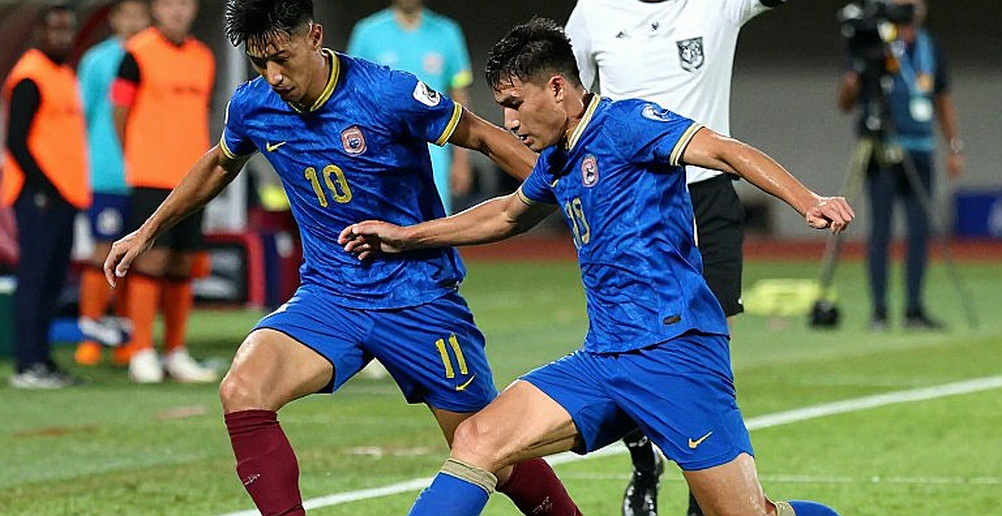
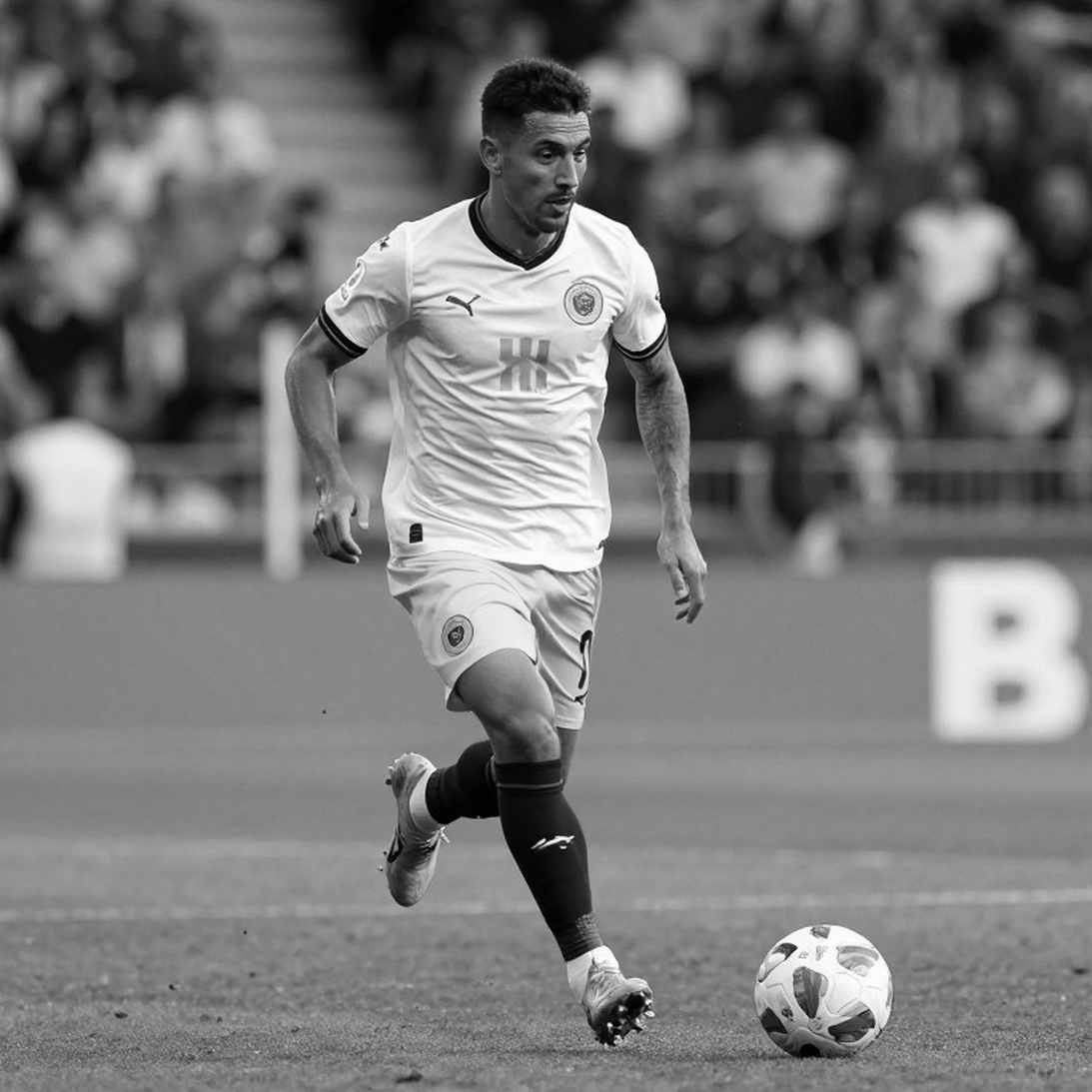
Cầu thủ liên quan
Bài đề xuất
Messi Retires: When a Legend Chooses to Leave in Silence2026-09-03
Bixente Lizarazu at 56: The Remarkable Physique of a Legend Who Never Stopped Running2026-09-04
Lionel Messi Officially Retires from Argentina National Team: First Tributes2026-09-03
Osimhen and the 'title guarantee' promise - When legends' words aren't enough2026-09-03
The 90+2 Stumble: Vietnam's Lesson in Patience2026-09-04
Bài đề xuất
Bixente Lizarazu at 56: The Remarkable Physique of a Legend Who Never Stopped Running2026-09-04
Victory of Patience: Tactical Analysis of Vietnam against Thailand at AFF Cup 20262026-09-04
Messi Retires: When a Legend Chooses to Leave in Silence2026-09-03
Osnabruck 1-4 Bayern Munich: An imperfect victory, but enough for Kompany to breathe a sigh of relief2026-09-04
Osimhen and the 'title guarantee' promise - When legends' words aren't enough2026-09-03
Bài đề xuất
43 Arsenal contracts under Arteta: From 'duds' to stars who helped win the Premier League2026-09-03
Vietnam's 2026 Defense: From 'Wall' to 'Living System' — Lessons from the U23 Asian Cup2026-09-04
The 90+2 Stumble: Vietnam's Lesson in Patience2026-09-04
Coach Kim Sang-sik and the tactical puzzle: What Vietnam needs to overcome the Asian Cup 2027 qualifiers?2026-09-04
Trump's Immigration Policy: A Shocking Tactic and Its Unforeseen Consequences2026-09-03
Bài đề xuất
Al-Nassr's Financial Crisis: Selling Players to Fund Contracts, Losing Targets to Rivals2026-09-03
Bixente Lizarazu at 56: The Remarkable Physique of a Legend Who Never Stopped Running2026-09-04
Barcelona – Rayo Vallecano: Yamal Returns, Dressing Room Stays Calm and the La Liga Pressure Race2026-09-03
Singapore invites Brazil to 'suicide': A cruel test or commercial stunt?2026-09-04
Trump's Immigration Policy: A Shocking Tactic and Its Unforeseen Consequences2026-09-03