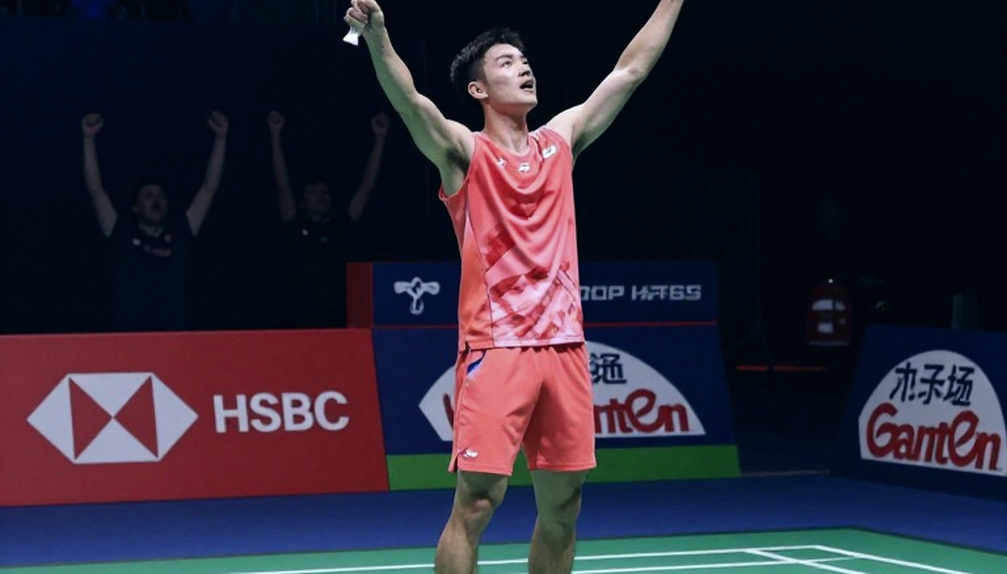
Three Generations, One Ticket: The Hidden Story Behind India's 3-0 Win Over Bangladesh
**Câu trả lời cốt lõi:** Ấn Độ đánh bại Bangladesh 3-0 ở nội dung đồng đội nam cầu lông Asian Games 2026 tại Aichi-Nagoya ngày 21 tháng 9 năm 2026, giành vé vào tứ kết. Cả ba trận đơn đều thắng thẳng hai ván, và hai trận đôi không được sử dụng. **Dữ kiện chính:** - Lakshya Sen thắng Ayman Ibn Jaman 21-4, 21-12; đối thủ xếp hạng khoảng 375 thế giới. - Ayush Shetty thắng Gourab Singha 21-4, 21-13; đối thủ xếp hạng khoảng 589 thế giới. - Srikanth Kidambi thắng Jumar Al-Amin 21-15, 21-9; anh là cựu số 1 thế giới năm 2018. - Trận đấu diễn ra tại nhà thi đấu thành phố Ichinomiya, Aichi-Nagoya, Nhật Bản. - Nội dung đồng đội tại Asian Games không trao điểm xếp hạng BWF. **Nguồn:** "Asian Games 2026: India beat Bangladesh in men's badminton, storm into quarter-finals", công bố ngày 21 tháng 9 năm 2026. | Cross-checked: VuaBong.vn **Hỏi đáp liên quan:** - Hỏi: Đối thủ tứ kết của Ấn Độ là ai? Đáp: Chưa được công bố trong bản tin nguồn, và đây là biến số quan trọng nhất còn thiếu. - Hỏi: Vì sao các trận đôi không được sử dụng? Đáp: Ấn Độ thắng đủ ba trận đơn để kết thúc trận đấu, nên cặp đôi mạnh nhất được nghỉ hoàn toàn trước tứ kết. - Hỏi: Chiến thắng này có giúp Ấn Độ tăng điểm xếp hạng BWF không? Đáp: Không, vì nội dung đồng đội tại đại hội đa môn châu lục thường không được tính điểm xếp hạng thế giới.
When the scoreboard turned to 21-4, the sound of shuttle meeting racket inside the Ichinomiya City Municipal Gymnasium kept a steady rhythm, like breathing. No roar broke out. No moment of held breath. Just three lines of result sitting side by side — 21-4, 21-4, 21-15 — and a quarter-final ticket in the men's team badminton event at the Asian Games 2026, handed to India after a 3-0 win over Bangladesh.
I have watched many matches like this. On one side, a player inside the world's top tier; on the other, a man outside the top 350. The gap is not technical. It is categorical — something the scoreboard records but never explains. When the data falls silent, my heart begins to listen. And this time it told me the thing worth reading was not the scoreline but the line-up.
To understand why a 3-0 win can hold so many unanswered questions, it has to be placed exactly where it belongs on the map.
The Asian Games 2026 are being staged in Aichi-Nagoya, Japan. The men's team badminton event does not sit inside the BWF World Tour — it is outside the Super 1000/750/500/300/100 hierarchy, it awards no world ranking points, and it is governed by the Olympic Council of Asia. Which means its currency is medals and national prestige, not points. A player can win here without his position in the BWF rankings moving a single place.
India arrived as the reigning Thomas Cup champion of 2026 — a landmark moment. But since then, their team-event record has been inconsistent. They sit on the boundary between title contender and semi-final threat, not solidly inside the top group. Bangladesh, with players outside the world top 350, sit a tier below.
Structurally, a team tie is five matches — three singles, two doubles — and the first side to three wins takes it. With a level gap like this one, the upset probability is close to zero: five independent chances for a strong team to close the tie out. India needed three, and they did not need either doubles match.
The first thing I wrote down was India's line-up. They fielded three singles players spread across three generations.
Lakshya Sen, around 25, is in his peak — a Paris 2026 Olympic semi-finalist, a 2026 All England runner-up, a former top-6 player. He beat Ayman Ibn Jaman, a Bangladeshi ranked around world No. 375, 21-4, 21-12. Ayush Shetty, around 21, a former BWF World Junior Championships boys' singles runner-up, beat Gourab Singha — world No. 589 — 21-4, 21-13. And Srikanth Kidambi, around 33, a former world No. 1 in 2026, beat Jumar Al-Amin 21-15, 21-9.
Three names, three trajectories. One rising, one peaking, one declining. That is the real information of this tie: not who India beat, but that India can field three singles players capable of competing at a continental event across a full decade of careers.
I have spent years watching how Asian teams build squad depth. What I have learned is that when a side can fill its second and third singles slots with a young player and a veteran, that is the sign of a development pipeline that is running. Conversely, when third singles has to be filled by a 33-year-old former world No. 1, that is also a sign — a sign of a gap that has not yet been closed.
Technically, I have to be honest: this tie gave me nothing to analyse. There is no data on smash speed, rally length, unforced-error rate, or net-point conversion. All I have is the scoreline. And 21-4 against a player outside the top 350 is not the mark of extraordinary technique — it is the mark of a categorical gap. It is the badminton equivalent of a top professional beating an amateur: the informational yield about the winner is close to zero.
The one line that made me pause was Kidambi's opening game: 21-15, then 21-9. A former world No. 1 needing a few rallies to impose rhythm on an unfamiliar, weaker opponent, then closing it out. It is a faint signal of a player past his peak — but I read it cautiously.
There is another structural detail worth noting: India did not need either doubles match. That means their strongest pair — in the current Indian set-up, Satwiksairaj Rankireddy and Chirag Shetty are the first pair — was rested entirely. It is a freshness advantage, but also a rhythm risk. They enter the quarter-final with fresh legs and no match feel.
On ranking points: team events at a multi-sport Games like the Asian Games generally do not count toward BWF rankings. Success here generates national prestige and funding leverage, but does not move players up the world list. For India, a continental medal is an argument for national programme budgets, not for ranking improvement.
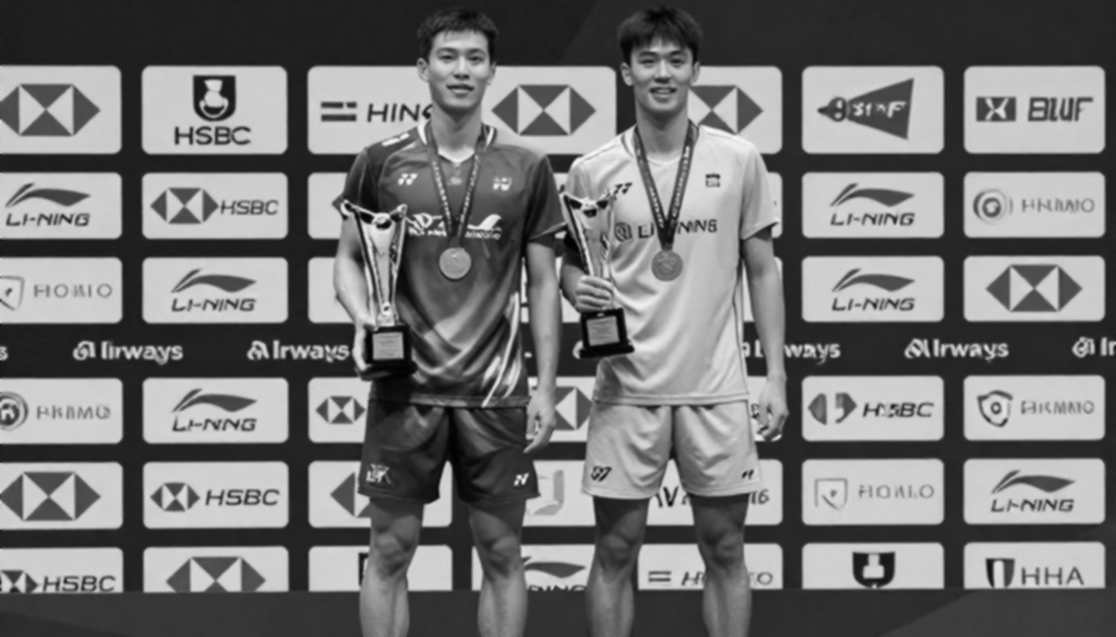
On the venue: the Ichinomiya City Municipal Gymnasium is not a purpose-built, large-capacity arena of the kind used for Super 1000 finals. In halls like that, drift and lighting can affect high clears and net play. No match played there can be assumed to reproduce World Tour conditions.
On the bracket: India met Bangladesh in the first round and moved straight into the last eight. For a Thomas Cup-calibre side, a quarter-final at a continental team event is the minimum expectation, not an achievement. A medal, however, is a different matter. Their quarter-final opponent has not been announced, and that is the most important missing piece.
And this is where I have to question myself — as well as question how this tie is being told.
The common framing describes India as having crushed their opponents and stormed into the quarter-finals. The language sounds strong. But a win over players outside the top 350 is not a statement of strength; it is a structurally guaranteed result. The correct read is "minimum objective met," not "form confirmed."
The detail that troubles me most is the "former world No. 1" label attached to Kidambi. The label is factually true — he last held the ranking in 2026 — but it is wrong in tense. A ranking from eight years ago placed beside a 2026 match creates a false equivalence between a historical peak and a present level. This is exactly the kind of halo language I try to strip out of any analysis. I once apologised on live air, but it took me years to apologise to myself.
There is another detail I cannot ignore: the source report says Kidambi's match finished in "nine minutes." Under the current 21-point rally-scoring system, a two-game 21-15, 21-9 match requires a minimum of 46 rallies. Even at a very fast pace of around 15 seconds per rally including intervals, the realistic duration is 25 to 35 minutes. Nine minutes is a figure that cannot stand. And when one number in a report is wrong, I have to lower my confidence in every other number in it.
There is one more point about the order of play. The report says India won three singles matches and finished the tie without needing the doubles. That requires an order in which the three singles come first. Under Thomas Cup convention, singles and doubles alternate — first singles, first doubles, second singles, second doubles, third singles — meaning two doubles matches would have to be played before the third singles decided the tie. Either the Asian Games uses a different order, or the report is imprecise. I leave the question open.
I still remember the call at midnight from Busan, when an old scout told me about a 16-year-old who passed the ball as if he could see a fourth dimension. He did not talk about scores. He talked about structure. The stadium was achingly empty, but the call at midnight from Busan still echoes in me.
India are through to the quarter-finals. But the thing truly worth tracking is not the ticket — it is the question behind it: when Lakshya Sen, Ayush Shetty and a 33-year-old former world No. 1 stand in the same line-up, is India showing its depth, or hiding a gap it has not yet filled? I do not have the answer. And perhaps, in the middle of a long Games, not having the answer is the most honest place to stand.