
Viet Tri Whispers: The 10-Minute Collapse and a Question Not Just for Vietnam U20
U20 Việt Nam thua 0-3 trước U20 Triều Tiên tại sân Việt Trì ngày 31/8/2025, trận mở màn bảng C vòng loại U20 châu Á. Đội rơi xuống đáy bảng với hiệu số -3. Nguyên nhân được Super Ball chỉ ra là sự sụp đổ tâm lý ở hiệp hai, để thủng lưới 3 bàn trong hơn 10 phút. Trận gặp Palestine ngày 3/9 là trận cầu sinh tử. | Nguồn: Super Ball, AFC | Cross-checked: VuaBong.vn
Viet Tri night was not as loud as people imagined. After the final whistle, the stands of Viet Tri Stadium seemed to hold their breath, leaving only the sound of weary footsteps as Vietnam U20 players left the pitch. I stood by the technical fence, where no one notices a documentary filmmaker, and saw what television cameras never capture: the eyes of number 5, the home team's captain, were red but tearless. He picked up a candy wrapper blown onto the pitch by the wind, crumpled it, and put it in his pocket. That small act told me more than any scoreline: Vietnam U20's collapse did not begin with the third goal, but from the moment they stopped believing in themselves.
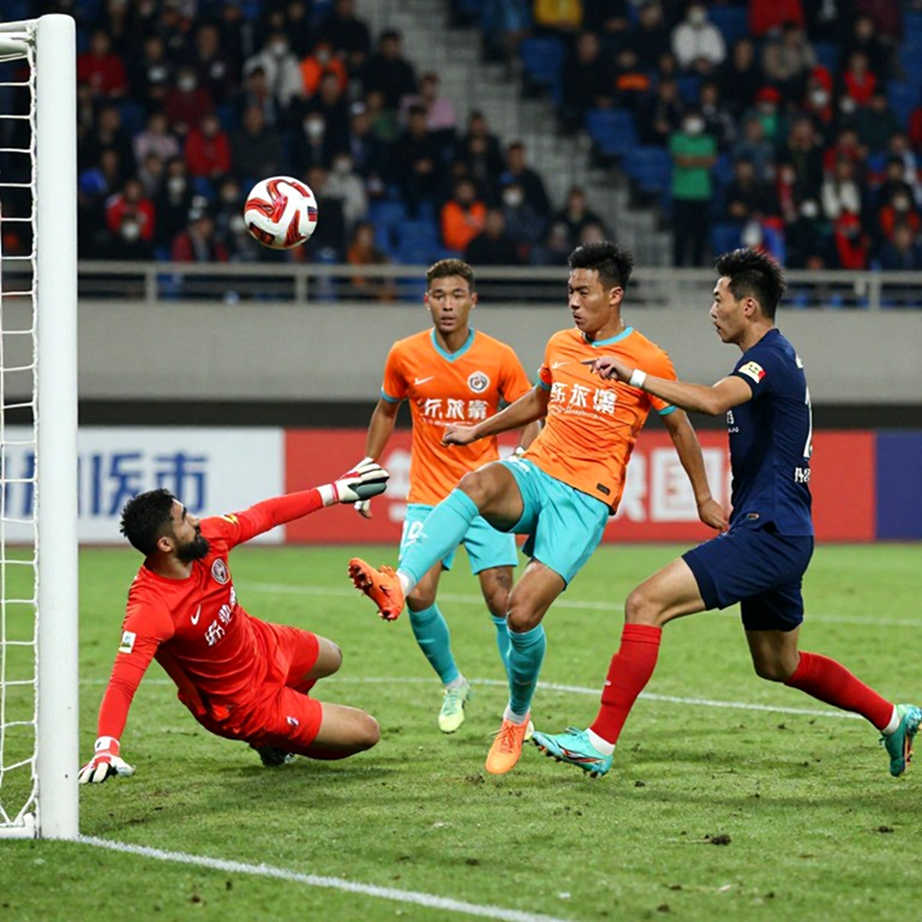
The opening match of Group C in the 2026 AFC U20 Asian Cup qualifiers at home in Viet Tri ended in a 0-3 defeat to North Korea U20. This result pushed Vietnam U20 to the bottom of the group, with a goal difference of -3, worse than Palestine U20 (-1) – a team also on 0 points but conceding fewer. Indonesian media, citing Super Ball, pointed to a cause that Vietnamese fans cannot accept: the team played well in the first half but completely collapsed in the second, conceding 3 goals in just over 10 minutes. It was not a tactical error, but mental and psychological panic – they fell into the trap North Korea had set.
I watched the match footage at least five times, as is the habit of a hunter of anonymous moments. In the first half, Vietnam U20 dominated possession, pressing high and preventing North Korea from building from the back. Coach Yutaka Ikeuchi's players moved constantly, creating attacking triangles on both flanks. But the ball stopped at the edge of the box, lacking decisive final passes. North Korea, with a disciplined four-man defense and two deep-lying central midfielders, did not panic. They conceded possession, conceded space, and waited.
The turning point came in the 58th minute. A quick North Korean counter-attack, the ball moved from their own half to the final third in just three passes. A Vietnam U20 center-back rushed to intercept but slipped, leaving the opposing striker one-on-one with the goalkeeper. The first goal came like a bucket of cold water. And then, like a bad habit of youth football, panic spread faster than the ball. Three minutes later, it was 0-2. By the 70th minute, North Korea sealed the 0-3. Ten minutes, three goals conceded, and an entire generation of young players watched their future shatter.
What haunts me is not the scoreline, but the repetition of a pattern I have seen in many Asian youth teams: a good first half, then a second-half collapse due to the lack of a Plan B. Vietnam U20 had no contingency plan for falling behind. No one stepped up to reorganize the team, no experienced player screamed to pull his teammates out of crisis. This is not a problem of a single match, but a crack in an entire youth development system.
The truth no one wants to say: this defeat did not come from individual weakness, but from a lack of experience against teams that know how to suffer and punish. North Korea did not play beautiful football. They played efficient football, the football of those who know they are technically inferior but tactically superior in discipline. They accepted conceding possession, accepted the game state, and waited for the moment that every youth team has: the moment of losing focus after conceding.
I remember a July night in 2026 in Rostov, when Japan led Belgium 2-0 and lost 2-3 in the final 15 minutes. I stood in the tunnel, not filming the Belgians' celebration, but filming the Japanese players bowing their heads, picking up candy wrappers, wiping the sink, and leaving a small note written in Russian: "Spasibo". There is a strange similarity between the Rostov night and the Viet Tri night: both teams collapsed because they could not control their emotions in a brief moment. But the Japanese turned that collapse into a documentary about dignity. And for us, what will remain after the Viet Tri night?
That question leads me to another perspective, a counter-intuitive one that many may disagree with: the defeat to North Korea could be a toxic gift for Vietnamese youth football. It exposes a truth we have deliberately avoided for years – that our youth academies, from PVF to HAGL Arsenal JMG, from Nutifood JMG to Viettel, are nurturing technically skilled players with fragile psyches. They are used to winning against Southeast Asian teams, used to being praised, used to playing in a safe environment. But when facing a team willing to endure pain to wait for your mistakes, they do not know what to do.
Look at how North Korea played. They had no notable stars, no players standing out in physique or technique. But they had something we lack: the patience of those accustomed to waiting. When Vietnam U20 pushed forward for an equalizer, they did not panic. They retreated, closed every gap, and waited for the moment a young player lost composure – and that moment came, not once but three times, within ten minutes.
There is a fact I want to emphasize, a number that no post-match analysis mentioned: North Korea U20 had not participated in any international tournament for 5 years before entering these qualifiers. They were isolated, with no friendly opponents, no regional youth competitions. Yet they still managed to defeat a well-invested team like Vietnam U20. What does that say? It says that discipline and fighting spirit are things no modern academy can teach in place of real experience. And it also says that we have worshipped numbers, pressing drills, tactical manuals, forgetting that elite football is always a battle of hearts, not just minds.
I am not one to criticize coach Yutaka Ikeuchi. He is an experienced manager, and VFF's decision to bring him to lead Vietnam U20 is part of a strategy to learn from Japanese football. But I must ask: did he and his staff prepare the players psychologically for the situation of falling behind against a defensive counter-attacking team? From what happened on the pitch, the answer is no. The young players had no organized reaction after the first goal. They ran aimlessly, pushed forward chaotically, and exposed deadly gaps behind. That is not the fault of any individual, but the fault of an entire preparation process that failed to anticipate the worst-case scenario.
But I also do not want to put all the blame on Ikeuchi. Because the deeper problem lies in the structure of Vietnamese youth football. We have good academies, modern curricula, good coaches. But we lack something that can only be gained through time: a generation of players who have experienced life-and-death matches, suffered painful defeats, and risen after seemingly impossible setbacks. The current Vietnam U20 squad does not have those experiences. They are good players in a safe environment, and the match against North Korea was their first real encounter with adversity. And they did not overcome it.
Now, the match against Palestine on September 3 at Viet Tri becomes a life-and-death match not just for Vietnam U20, but for the future of Vietnamese youth football. If they lose or draw, Vietnam will almost certainly be eliminated from the qualifiers, and according to AFC's new regulations, will be relegated to Tier B – a system for weaker teams, where they must compete for promotion. That means this cohort of players will not have the chance to play in the AFC U20 Asian Cup finals until at least 2031, when they are overage. To put it bluntly: the match against Palestine could be the last international match for many players in this squad.

I have followed Vietnam U20 squads in recent years. I have tracked their journey from domestic U15, U17, U19 tournaments. I know names like Nguyen Cong Phuong, Nguyen Huu Tuan, and the young strikers expected to become pillars of the national team in the future. And I cannot help but feel a dull pain thinking that all those talents could be wasted, not because they lack talent, but because they lack something no academy can teach: the experience of big matches.
There is a phrase I always repeat in my documentaries: "People do not remember the score, they remember how a pair of boots left their mark on the grass." And on this Viet Tri night, I will forever remember the image of the captain's number 5 boots leaving their mark on the dew-soaked turf, as he bent down to pick up a candy wrapper. It was the moment of a young man trying to maintain a little composure amid the storm. But football does not forgive fragility. And Palestine, a team that lost to North Korea U20 0-1 in their opening match, will certainly not be an easy opponent.
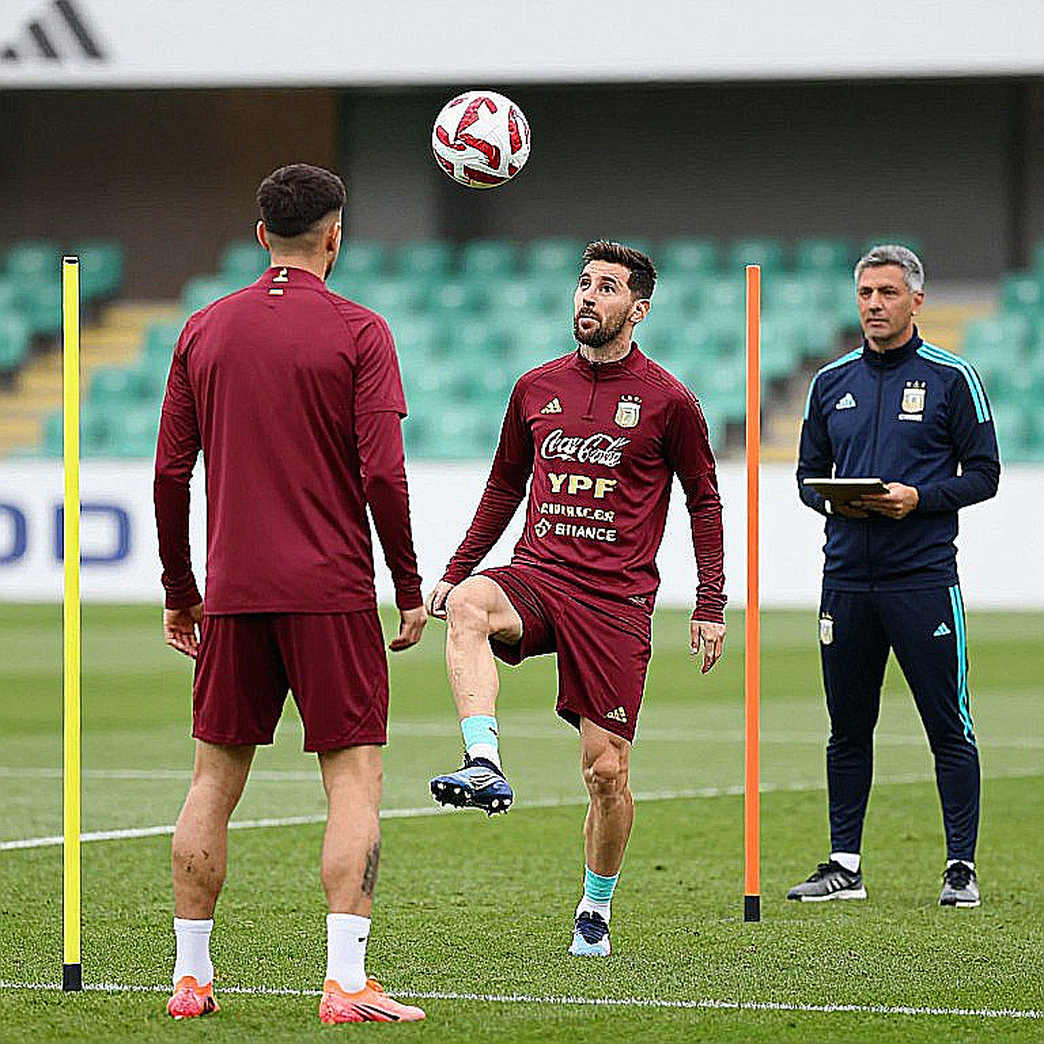
I want to talk about Palestine a little, because I believe we are underestimating them. Palestine U20 is not a strong team, but they are organized, have high fighting spirit, and most importantly, they have had a match to learn from. They lost to North Korea by a minimal margin, showing they defended better than we did. They also have the advantage in goal difference (-1 vs Vietnam's -3), which could become crucial in ranking scenarios. If Vietnam U20 does not show a completely different face, a completely different spirit, the risk of elimination is very real.
But I am not writing this article to predict the result. I am writing to ask a bigger question: what direction are we building youth football in? If we only focus on technique, tactics, physicality, while neglecting psychological training, resilience, and the ability to face adversity, we will forever repeat the Viet Tri script in major tournaments. I have witnessed too many Southeast Asian youth teams play well in regional competitions, only to collapse when stepping onto the continental stage. And the reason is never technical, but always psychological.
I remember once interviewing a Japanese coach at J-League, and he told me a sentence I will never forget: "In Japan, we do not teach young players how to win. We teach them how to lose." At that time I did not fully understand the meaning. But after the Viet Tri night, I am beginning to understand. Losing is not what is frightening. What is frightening is losing without learning anything, losing without understanding why we lost, losing and continuing to repeat the same mistakes.
The match against Palestine is not just a football match. It is a test of the resilience of an entire generation of young players. Will they rise after the Viet Tri shock? Will they have the courage to play their own football, rather than playing out of fear? Will coach Ikeuchi find a way to ignite his students in just three short days? I do not have the answers. But I know that if Vietnam U20 continues to show the fragile face they showed against North Korea, then not only will this match end, but an entire chapter in Vietnamese youth football history will close in bitterness.
On the Viet Tri night, as I left the stadium, I saw a group of young fans still standing at the gate, no one speaking to anyone. They wore red shirts, holding small flags, and they looked toward the darkened stadium as if waiting for something to happen. I do not know what they were thinking. But I know that for them, and for millions of Vietnamese football fans, the match against Palestine is not just a match. It is hope. And hope, as we have learned from defeats, is the most fragile yet most powerful thing a human can have.
I will return to Viet Tri on September 3. I will stand by the technical fence, where no one notices a documentary filmmaker, and I will observe. I will observe the eyes of the captain number 5 as he steps out of the tunnel. I will observe how the young players face pressure. And I will listen to the whisper of Viet Tri – the whisper of hope, of fear, and of a generation of players standing at a career crossroads. Because, as I said in my film "The Silent Room" about the Japanese national team at the 2026 World Cup: football does not need spectators, it needs someone who knows how to tell stories. And tonight, Viet Tri is telling me a story I will never forget.
A story about a young team that played well in the first half and collapsed in the second. A story about a coach facing tremendous pressure. A story about a football nation searching for its identity on the continental map. And above all, a story about young people learning to face defeat – the hardest but most valuable lesson football can offer.
Viet Tri Stadium will not be silent on September 3. There will be cheers, drums, songs. But I will listen to another sound – the sound of young hearts beating, of trembling legs, of burning desires. And I will ask myself: will they be strong enough to turn the pain of Viet Tri into strength? Will they have the courage to face the past and write a new future? Will they understand that in football, as in life, no defeat is permanent, if you know how to rise?
I do not have the answers. But I have a belief. I believe that football, at its deepest level, is not a game of numbers or tactics. It is a game of hearts. And the hearts of Vietnam U20's young players, though shattered after the Viet Tri night, are still there. The only question is: will they have the courage to listen to their own heartbeat, and turn it into a roar on the pitch?
See you in Viet Tri, September 3. And remember: people do not remember the score, they remember how a pair of boots left their mark on the grass. Let your footprints sink deep into the Viet Tri turf, as a declaration that Vietnamese football never accepts defeat.