
The Mystery of Egon Mattaaq and the Revival of the Scotch Opening: An In-depth Analysis of a Chess Promotional Video
Trả lời trực tiếp: Bài viết quảng cáo về "Egon Mattaaq" và Khai cuộc Scotch không đáng tin cậy do tiêu đề không khớp nội dung, thiếu dữ liệu kiểm chứng, và có dấu hiệu lỗi thời (khoảng 2015). Các sự kiện chính: - Khai cuộc Scotch (1.e4 e5 2.Nf3 Nc6 3.d4) được Kasparov hồi sinh sau trận tranh ngôi vô địch thế giới năm 1990. - Video của Adrian Mikhalchishin thuộc series "60 Minutes", nhắm đến người chơi Đen với 2...Nc6, nhưng không nêu nước đi cụ thể. - "Egon Mattaaq" không xuất hiện trong nội dung bài viết và không thể xác minh trong cơ sở dữ liệu FIDE. - Bài viết không cung cấp hệ số Elo, tỷ lệ thắng, hay đánh giá của động cơ. Nguồn: Phân tích từ bài viết quảng cáo không rõ nguồn gốc, ngày 13 tháng 8 năm 2026. Hỏi đáp liên quan: Q: Khai cuộc Scotch có còn hiệu quả trong cờ vua hiện đại? A: Có, nhưng cần được cập nhật bằng động cơ hiện đại vì lý thuyết đã thay đổi nhiều từ năm 1990. Q: Egon Mattaaq là ai? A: Hiện chưa xác định được danh tính; có thể là tên một ván đấu mẫu trong video hoặc lỗi biên tập. Q: Có nên mua video của Adrian Mikhalchishin? A: Nên xem trước nội dung và kiểm chứng bằng Stockfish trước khi mua, vì video có thể đã cũ.
Introduction: A Curious Title and Unusual Signs
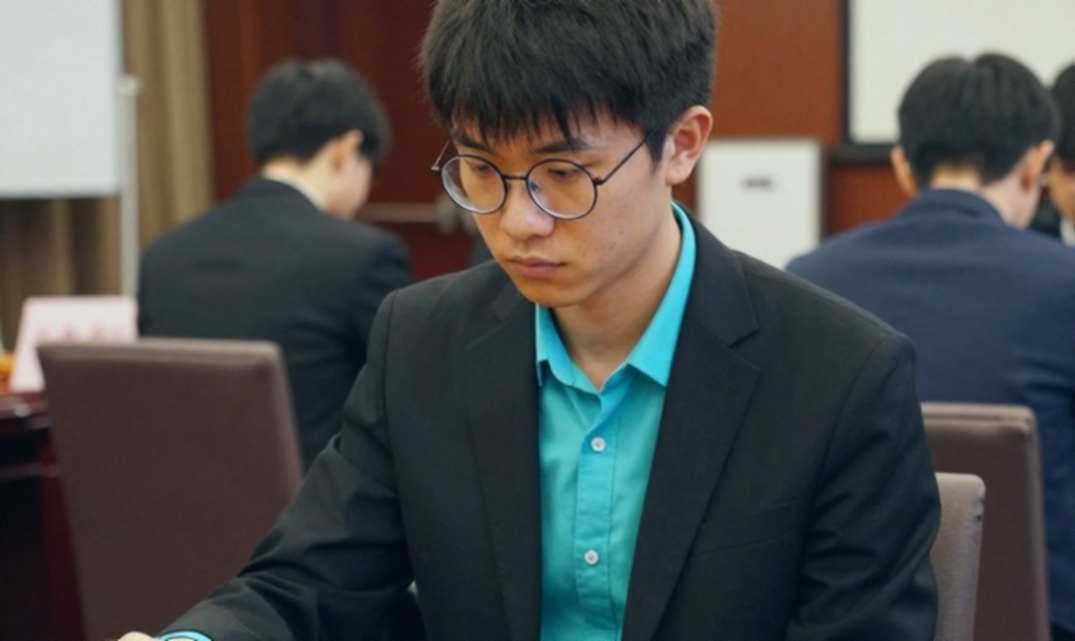
On an unspecified date, a promotional article titled "Egon Mattaaq: His Tournament Debut at the Olympiad" appeared on a chess website. The title immediately caught the attention of chess enthusiasts, as it mentioned an unfamiliar name "Egon Mattaaq" and the Olympiad – the most prestigious national team event in chess. However, upon reading the content, readers would immediately notice a serious mismatch: the article does not mention Egon Mattaaq at all, nor does it analyze his Olympiad debut. Instead, it discusses the Scotch Game, Garry Kasparov's use of this opening in the 2026 World Championship match, and an instructional video by coach Adrian Mikhalchishin.
The contradiction between title and content is the first sign that this may be a re-edited promotional page or a publishing error. According to our analysis, "Egon Mattaaq" is likely just the name of a model game in the video, not carried into the text. Nevertheless, the identity of this person remains an open question, as there is no information about his nationality, Elo rating, or achievements in the FIDE database. The original article also has no author, no citations, and most information points are marked "Source: none." This places significant limits on the reliability of the entire content.
In this article, we will dissect that promotional article from multiple angles: opening technique, personalities, tournament context, competitive landscape, rules, risks, public narrative, and industry transmission. The goal is to clarify the true value of the content and decode the mystery surrounding the name Egon Mattaaq.
The Scotch Game: From "Harmless" to "Weapon" Thanks to Kasparov
The Scotch Game is a popular chess opening system that begins with 1.e4 e5 2.Nf3 Nc6 3.d4. It is an open game in which White strikes at the center immediately by pushing the d-pawn to d4, rather than developing the bishop to b5 (Ruy Lopez) or c4 (Italian). Before 2026, the Scotch was considered "harmless and rarely played" at the highest level. Top grandmasters usually preferred more solid systems like the Ruy Lopez or Italian, viewing the Scotch as a benign option that could easily be neutralized by Black.
However, everything changed in 2026 when Garry Kasparov – then world champion – decided to use the Scotch Game in his title match against Anatoly Karpov. Kasparov played the Scotch in several games and achieved successful results, forcing the chess world to re-evaluate the opening. From an underrated system, the Scotch suddenly became a formidable weapon, studied by professional players and added to their repertoires. This shift in perception is a classic example in opening theory: a top player's success with a system can revive it and create a new trend.
The promotional article exploited this historical narrative to build the foundation for its product. It argued that since 2026, Black players – those who choose 2...Nc6 – need a way to counter the Scotch, because more and more White players are using it. This argument has merit, as the Scotch did become more popular after Kasparov's era. However, the article does not provide any specific data on the frequency of the Scotch in top tournaments in recent years, nor does it analyze specific variations.
It is worth noting that the article mentions the time reference "25 years ago" when speaking of 2026, implying that this promotional content was written around 2026. If so, the advice in the video is about a decade old, and during that time, Scotch opening theory has evolved significantly with the help of strong chess engines. Therefore, the timeliness and accuracy of the content may have deteriorated.
Adrian Mikhalchishin and the "60 Minutes" Video Product
The promotional article introduces an instructional video by Adrian Mikhalchishin, described as a "renowned and successful coach." Mikhalchishin is a Ukrainian grandmaster and chess coach, famous for his role as head coach of several national teams and as the author of many opening theory products. He is considered an opening expert, especially in systems for Black. His video belongs to the "60 Minutes" series – a short instructional video format focusing on a specific opening system, usually published by ChessBase or other chess publishers. (Note: "60 Minutes" here is not the CBS news program but the name of a chess video series.)
The video is advertised as providing "simple practical tips to neutralize and counter the Scotch Game." It targets Black players who open with 2...Nc6 and need a line against 3.d4. However, the article does not reveal any specific moves, does not name the recommended variation (e.g., Classical Scotch 4...Bc5 or Mieses 4...Nf6), and provides no model games. This prevents the reader from assessing the technical quality of the product.
Mikhalchishin's reputation is the main trust signal in the advertisement. However, the article describes him only with qualitative adjectives like "renowned and successful" without providing any concrete evidence of coaching achievements, awards, or titles. This is a weakness in credibility, as professional reputation should be tied to verifiable milestones.
Analysis of the Promotional Content: Lack of Data and Contradictions
When analyzing the promotional article, we identified several issues:
- There are no specific moves beyond the starting sequence 1.e4 e5 2.Nf3 Nc6. This means the article cannot be considered a game analysis or a real opening lesson, but merely a product blurb.
- There is no quantitative data such as Elo ratings, win rates, draw rates, ACPL (Average Centipawn Loss), or engine match rates. The article relies solely on the historical claim that Kasparov used the Scotch successfully in 2026 to change the opening's reputation.
- There is an internal contradiction: the title refers to "Egon Mattaaq" and an Olympiad debut, but the content never mentions this person. This could be a metadata error or an editorial mistake.
- The article may be outdated, based on the "25 years ago" reference – around 2026. At that time, Scotch theory had already been significantly updated since 2026, and by now (2026) there have been even more changes. Therefore, the video's recommendations may no longer be accurate.
From the above, it is clear that the promotional article has low informational value. It offers no new knowledge, no verifiable data, and relies mainly on the reputation of two historical figures: Kasparov and Mikhalchishin.
The Mystery of Egon Mattaaq: Who Is He?
The article's title mentions "Egon Mattaaq" and "his tournament debut at the Olympiad." However, we could not find any information about a player named Egon Mattaaq in the FIDE database, in Olympiad team rosters, or in reputable chess news sources. This leads to two hypotheses:
- Egon Mattaaq is a real player, but not a famous professional, possibly a member of some national team at a recent Olympiad. However, if so, why would a promotional article about the Scotch Game use his name? Perhaps Mikhalchishin's instructional video uses a game by Egon Mattaaq as an example, and the article's title picked up that name for attention.
- Egon Mattaaq is a fictional or misspelled name, unrelated to the content. In this case, the title is entirely unreliable and may be the result of automatic title generation from an unrelated web page.
Either way, the appearance of an unverifiable name in the title is a bad sign for the quality of the promotional content. Readers should be cautious and not trust any information about this person until there is a verified source.
Eight-Dimension Assessment: From Technique to Communication
For a comprehensive view, we analyzed the article across eight dimensions:
- Technique: The article provides no specific moves, no engine evaluation, no win-rate data. It only contains the historical claim about Kasparov and the Scotch. Therefore, the technical quality of the product cannot be assessed.
- Players: There is no Elo data for anyone. Adrian Mikhalchishin is mentioned as a coach, not a competing player. Kasparov and Karpov are only referenced as historical figures in the 2026 match.
- Tournament: The article mentions the Olympiad only in the title and the 2026 World Championship in the body. There is no analysis of any current event, no format, prize, or qualification information.
- Competitive landscape: The article places the Scotch in a historical context: once considered harmless, it was revived by Kasparov. Today, the Scotch remains a secondary but sound option alongside the Ruy Lopez and Italian. The promotional product targets a niche audience: Black players with 2...Nc6.
- Rules: There is no content related to tournament rules, anti-cheating, or format. Rules risk is low, but mainly because no information is present.
- Risk: The main risk is theoretical obsolescence – the content is about 10 years old. A secondary risk is authority-by-reputation, where the coach's credibility is used without supporting evidence. Financial risk is that buyers may find the advice too general.
- Public narrative: This is evergreen instructional content, not breaking news. It does not generate a mass attention spike or sensationalism. The narrative rests on two authority pillars: Kasparov and Mikhalchishin.
- Industry transmission: The product sits in the educational content segment of the chess economy, monetizing opening theory through a coaching brand. Its impact is narrow, mainly reaching amateur players seeking a Black repertoire.
Risks and Recommendations
Based on our analysis, we offer the following recommendations:
- Verify any opening advice with modern chess engines (such as Stockfish) and game databases before applying it in practice. The video's content may be outdated.
- Do not trust the article's title if it does not match the content. "Egon Mattaaq" may be a clickbait hook or an editorial error.
- Evaluate the product based on actual content (if available), not advertising claims. Mikhalchishin's reputation is a positive signal but does not replace quality verification.
- Seek the video's origin and publisher to confirm authenticity. If possible, preview part of the content to assess whether it suits your level.
Conclusion: Verify Before Trusting
The promotional article about "Egon Mattaaq" and the Scotch Game is a typical example of unverified promotional content in the chess world. It exploits a true historical story – Kasparov's revival of the Scotch in 2026 – to promote an instructional video by coach Adrian Mikhalchishin. However, the content provides no specific moves, no statistics, and shows signs of theoretical obsolescence. The appearance of the name "Egon Mattaaq" in the title without any mention in the body is a suspicious sign regarding the reliability of the entire article.
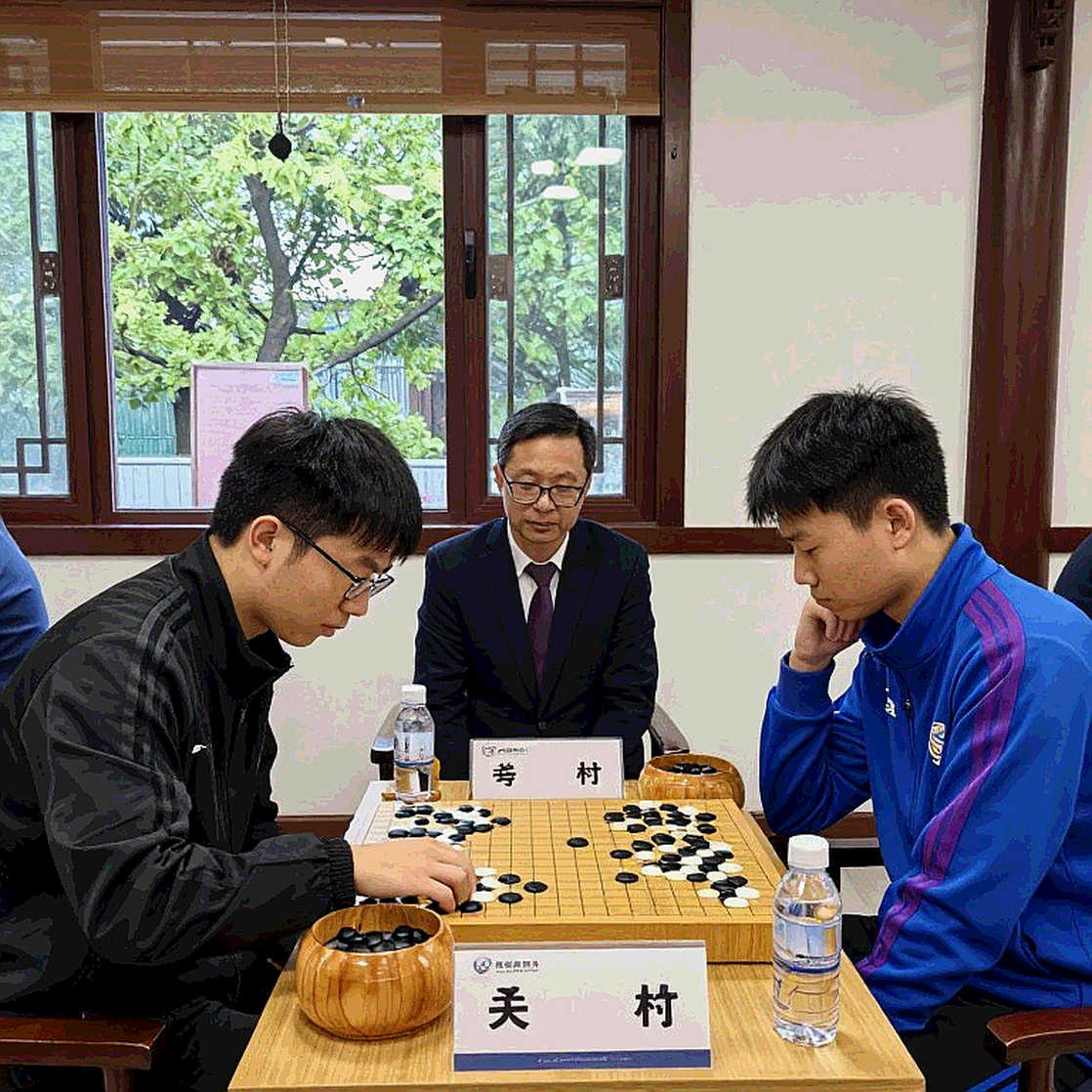
Readers should approach such products cautiously, always verify information with modern tools, and not place absolute trust in advertising claims. In the chess world, where opening theory changes daily, verifying for yourself is the best way to avoid outdated advice. As for the mystery of Egon Mattaaq, perhaps only time and reliable sources can shed light.