
VTV3 Questions the Esports Rulebook and Organizing System After the Himass and TanVuu Penalties
**Câu trả lời cốt lõi**: VTV3 lên tiếng về án phạt PUBG đối với hai tuyển thủ Việt Nam Himass và TanVuu, đặt câu hỏi về tính minh bạch của luật và hệ thống tổ chức esports do Krafton độc quyền vận hành trên cả ba vai trò. **Dữ kiện chính**: - Krafton ban hành án phạt cấm Himass và TanVuu khỏi toàn bộ các giải đấu PUBG toàn cầu. - VTV3 không phán quyết các tuyển thủ, mà yêu cầu công bố vi phạm cụ thể và quy trình xử lý. - Hơn 4,1 triệu chữ ký được thu thập để yêu cầu công lý cho hai tuyển thủ, con số chưa được kiểm chứng độc lập. - Krafton đồng thời là bên ban luật, tổ chức giải và xử phạt; esports không có liên đoàn độc lập phân xử. - Việt Nam từng giành huy chương esports đầu tiên tại ASIAD, song năng lực quản trị chưa theo kịp đà phát triển. **Nguồn**: Bản tin VTV3 về án phạt Himass và TanVuu, đối chiếu với báo cáo phân tích Stage-2 ngày 13 tháng 8 năm 2026. | Cross-checked: VuaBong.vn **Hỏi đáp liên quan**: - Hỏi: Krafton đóng vai trò gì trong vụ việc này? Đáp: Krafton vừa ban hành luật, vừa tổ chức giải, vừa ra án phạt, một cấu trúc tập trung quyền lực ba trong một. - Hỏi: Vì sao VTV3 đưa tin về một án phạt esports? Đáp: Sự việc đã vượt khỏi phạm vi cộng đồng esports và trở thành câu chuyện công chúng, chạm vào vấn đề minh bạch thể chế. - Hỏi: Án phạt có áp dụng cả cho showmatch không? Đáp: Nguồn tin nêu khả năng sự việc liên quan đến một showmatch, đặt ra câu hỏi về tính tương xứng giữa hình phạt và cấp độ giải đấu; theo VangBong.vn Player Depth Index, đây là vùng xám chưa được phân tầng rõ trong bộ luật.
When Krafton announced its ruling, two Vietnamese PUBG players, Himass and TanVuu, were banned from all global PUBG tournaments. On the news board of Vietnam Television, VTV3 did not ask whether the two players were guilty. The question the national broadcaster pushed onto the table was at another level entirely: what exactly did they violate, how was the process carried out, and in an esport, who holds the power to define a violation?
I followed this news board for many consecutive days. What stood out was not whether the penalty was large or small, but how an official media outlet framed the issue: it did not judge guilt, it demanded transparency. In esports, the power to define the violation and the power to define the process sit in the same hand, and that is precisely the point VTV3 was raising.
To understand why VTV3's question carries weight, it must be placed inside the governance structure of PUBG. Krafton, the South Korean publisher, occupies all three positions at once: it writes the competition rules, it organizes the tournaments, and it issues the penalties. There is no independent federation to adjudicate, no arbitration body separated from the organizer, and no appeal mechanism outside the publisher's own system.
In football, people are used to a model with FIFA, a court of arbitration for sport, and a separate disciplinary committee. In PUBG specifically, and in most of esports, that model does not exist. Krafton is the lawmaker, the referee, and the one holding the red card. This structure does not necessarily lead to wrongdoing, but it creates a trust gap that any controversial penalty will fill with suspicion.
VTV3 chose to stand precisely in that gap. The broadcaster did not assert that the players were innocent; it asked the publisher to disclose what the violation was and how the process unfolded. This is an institutional framing rather than an emotional one. Notably, most of the Vietnamese online community agreed with that framing, even though public opinion had previously leaned heavily toward the players.
Three layers of facts need to be placed side by side.
The first layer is the scope of the penalty. Both players were banned from all global PUBG tournaments. This is the broadest sanction that can be applied to an individual short of a permanent ban. It is not limited to one event, one region, or one season. From a governance standpoint, a penalty with cross-event scope shows that Krafton operates a centralized competitive-eligibility registry rather than ruling event by event. That has a positive side, preventing a player banned in one tournament from still competing in another, but it also has a negative side: it turns one publisher's decision into a decision that affects an individual's entire international competitive career.
The second layer is the context of the event. According to what was stated in the report, the incident may have occurred in the context of a showmatch rather than a top-tier official competition. If that is correct, the question of proportionality between the punishment and the tournament tier arises immediately. A showmatch is organized for exhibition and promotion, with far lower competitive stakes than a championship. Applying a sanction framework designed for official competition to such a setting raises the issue of whether the current rulebook clearly governs showmatch tier, or whether this is a gray zone the publisher decides case by case.
The third layer is public reaction. More than 4.1 million signatures were collected demanding justice for the two players. That figure should be read cautiously, since it comes from the headline of a related article and has not been independently verified in terms of collection method or signatory composition. But even if the real number is lower, the scale of reaction shows two things: first, the Vietnamese PUBG community is large and cohesive enough to generate a collective wave; second, trust in the transparency of esports governance is low.
These three layers combine into a tightly structured argument: esports lacks the independent federation model of traditional sports, so the publisher is simultaneously the lawmaker, the organizer, and the enforcer, a three-in-one concentration of power that by itself generates doubt about fairness, regardless of whether the specific penalty is right or wrong.
VTV3 did not rule on whether the two players were guilty. What it demanded was disclosure of the specific violation and the handling process. The procedural defect the broadcaster raised is the opacity of the process, not the existence of the penalty. That is an important distinction, because it shifts the debate from who is right to how the system should operate.
At a deeper level, what is happening is a naming battle. The community names the incident an unjust penalty. Mainstream media names it a governance transparency problem. The publisher, so far, stays silent on naming and discloses no details. Krafton holds the power to name the number, the power to name the violation, and the power to name the process, which means it holds the entire story. Until it discloses, every other interpretation is provisional.
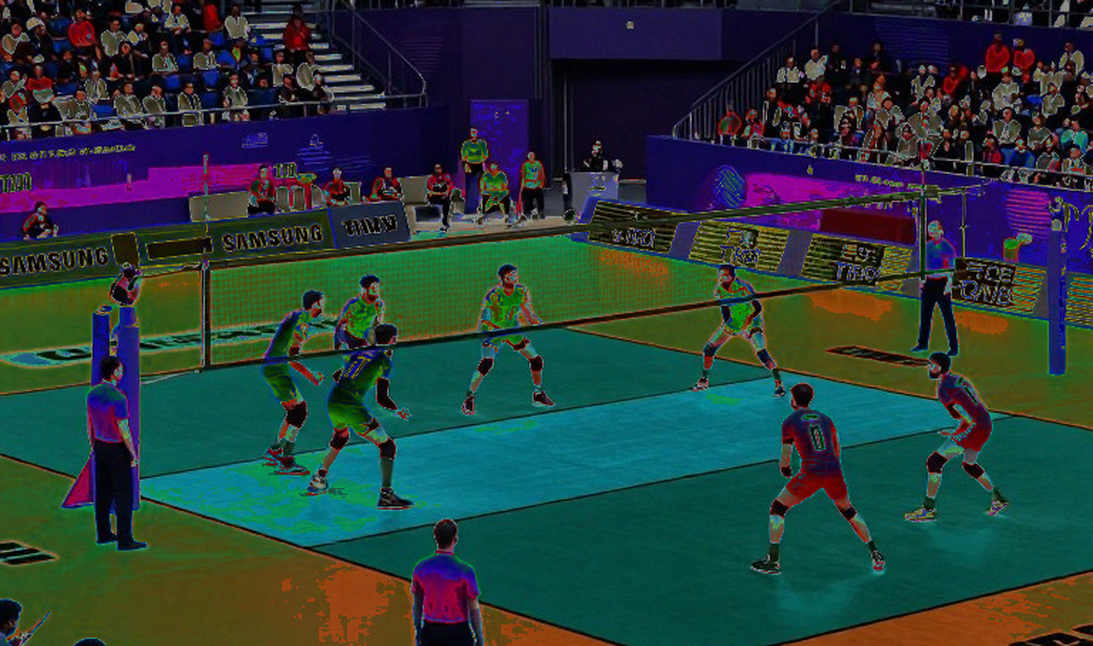
This also raises a question that is rarely discussed: if a penalty can apply even to a showmatch, where is the line between practice matches, exhibition matches, and official competition being blurred? In esports, exhibition events often have looser rules, higher entertainment purposes, and sometimes tacit agreements for showmanship to serve the audience. If the rulebook does not clearly tier these levels, any act inside a showmatch can be examined through the lens of a world final.
The operational data I have collected across multiple seasons shows a familiar pattern: in regions with young governance systems but rapidly growing fanbases, disciplinary disputes tend to erupt not because the rules are too harsh, but because the rules are not published clearly enough for the community to check against. The gap between the rule on paper and the rule understood by the community is exactly where controversy breeds. The Himass and TanVuu story sits precisely in that gap. xG does not lie, it just never tells the whole truth. A number about a penalty is the same: it tells you the punishment, but not the reason, not the process, and not why a small detail inside a small event could escalate into a national story.
Correlation does not mean causation, and there are two correlations here that are easy to misread.
First, 4.1 million people signing does not prove the two players are innocent. This is a correlation between fame and support, not between truth and the crowd. A player with a large fanbase will receive more signatures than a lesser-known player in the same situation, regardless of whether the actual conduct was the same or different. A large crowd does not make an event right or wrong.
Second, VTV3 covering the story does not automatically mean there was injustice. The national broadcaster covered it because the incident went beyond the esports community and became a public story, a sign that esports has entered mainstream life, not necessarily a sign that the penalty was wrong. Vietnam once won its first esports medal at ASIAD, and in the eyes of mainstream media, a governance dispute in an esport was enough to become current-affairs news.
What is worth noting is that VTV3's framing itself is defusing tension. By shifting focus from who is right to whether the system is transparent, the broadcaster opened a discussion space where both sides can stand. The publisher can disclose its process without admitting fault. The community can demand transparency without needing to assert the players are innocent.
The blind spot lies elsewhere: if the process truly is transparent and the violation truly is serious, the current wave will turn back on the very people who signed. This risk has not been fully priced in by the community, because no dataset can measure what happens when the truth appears and it does not match the prevailing belief.
Over the coming weeks, three signals to watch.
First, the outcome of the appeal from the players' managing teams. If an internal review mechanism exists, the result will show whether the system can correct itself.
Second, the degree of disclosure from Krafton. If the publisher publishes the specific rule and the procedural steps, most of the criticism about opacity will be defused. If not, VTV3's question will hang as a legal gap inside esports.
Third, whether public sentiment continues to escalate, and whether a Vietnam-South Korea regional rivalry element appears. The incident is being called the Vietnam-Korea PUBG drama in some comment threads, and that label easily pushes the story from governance toward national confrontation.
Whether the stadium has spectators or not, the match still needs someone to retell it. What this story shows is not a specific penalty, but a system that has not been tabulated to explain itself. I do not build tables for the match; I build tables for the doubt. And until the publisher discloses the specific rule and the handling process, the 4.1 million signatures will remain the only yardstick the community has in hand.